

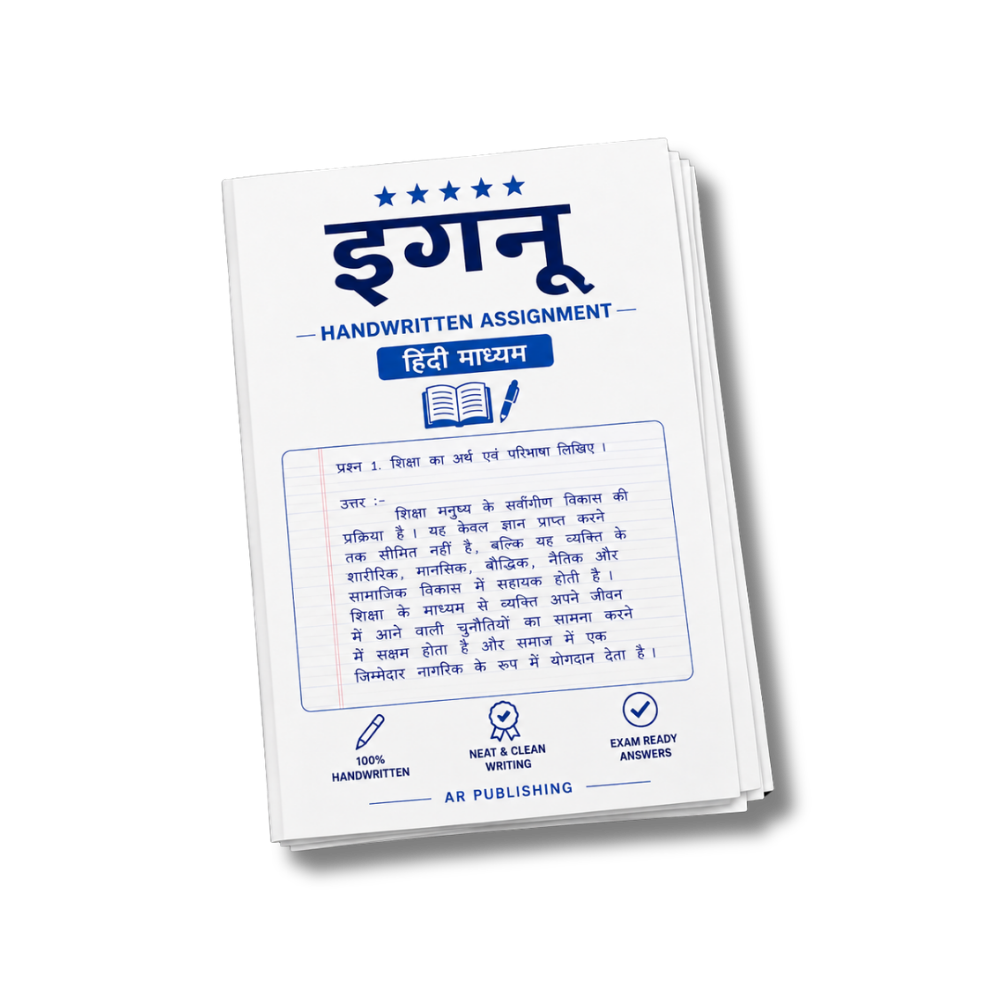
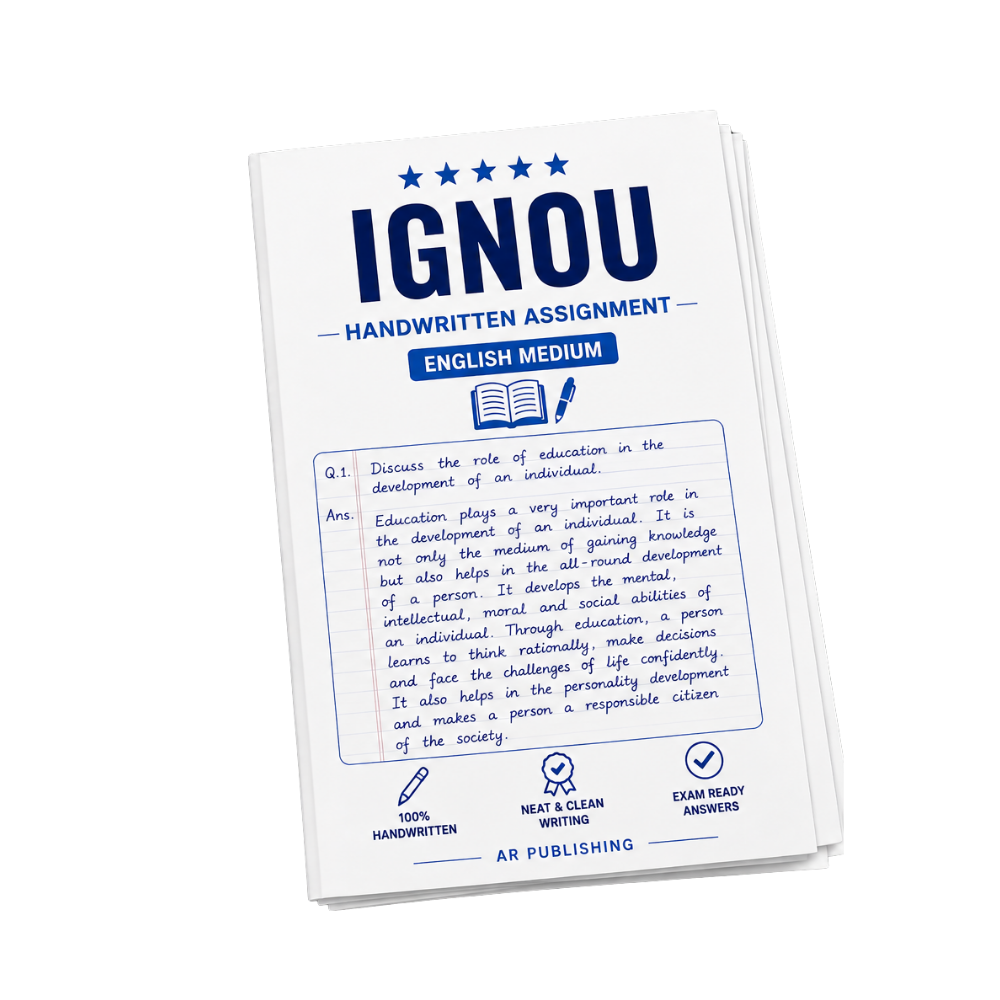
BCOS-184 IGNOU Handwritten Assignment 2026-27
Click to view offer details & terms
Get 10% OFF Instant Discount
Apply this coupon code at checkout to claim your academic discount instantly.
- Applicable on all university study materials
- Valid for up to 8 item(s) per order
- Valid till Oct 31, 2026
Enrolled in other IGNOU subjects?
Link your Enrollment No. to auto-map all your semester courses & free question papers.
Frequently Bought Together
Popular course materials frequently ordered together


Syllabus & Overview
Block 1: Basics of E-commerce
Understanding the fundamentals of online business, including e‑commerce models, market trends, and consumer behaviour.
- Types of e‑commerce models (B2B, B2C, C2C, etc.)
- Key components of an e‑commerce ecosystem
- Role of digital marketing in e‑commerce
Block 2: E‑Payment Systems
Exploring electronic payment mechanisms such as UPI, credit/debit card gateways, net banking, and mobile wallets.
- UPI architecture and security
- Payment gateway integration process
- Fraud detection and prevention in online payments
Block 3: Website Development and Hosting
Designing, developing, and hosting e‑commerce websites with focus on user experience and scalability.
- Front‑end technologies (HTML, CSS, JavaScript)
- Back‑end frameworks and database management
- Web hosting options and domain management
Block 4: Cyber Security and IT Act
Addressing security protocols, encryption, and legal compliance under the Information Technology Act.
- Encryption standards and SSL/TLS implementation
- Data protection and privacy regulations
- Legal responsibilities of e‑commerce operators
Block 5: Online Portal and Application
Developing mobile and web portals for seamless customer interaction and service delivery.
- Responsive design principles
- API integration for third‑party services
- User authentication and session management
FAQs
- What are the main e‑commerce business models?: The primary models are B2B (business‑to‑business), B2C (business‑to‑consumer), C2C (consumer‑to‑consumer), and B2G (business‑to‑government).
- How does UPI work in e‑commerce transactions?: UPI uses a unique virtual payment address linked to a bank account, enabling instant real‑time fund transfer across banks with strong encryption and two‑factor authentication.
Why buy from us?
-
Verified by top professors and 99th percentile students.
-
Always updated to the latest university curriculum.
-
High-quality, printable PDF formats with clear diagrams.
License & Terms
By purchasing this item, you agree to our standard academic license terms. You may use this product for personal study, but you may not resell or redistribute the files online.