

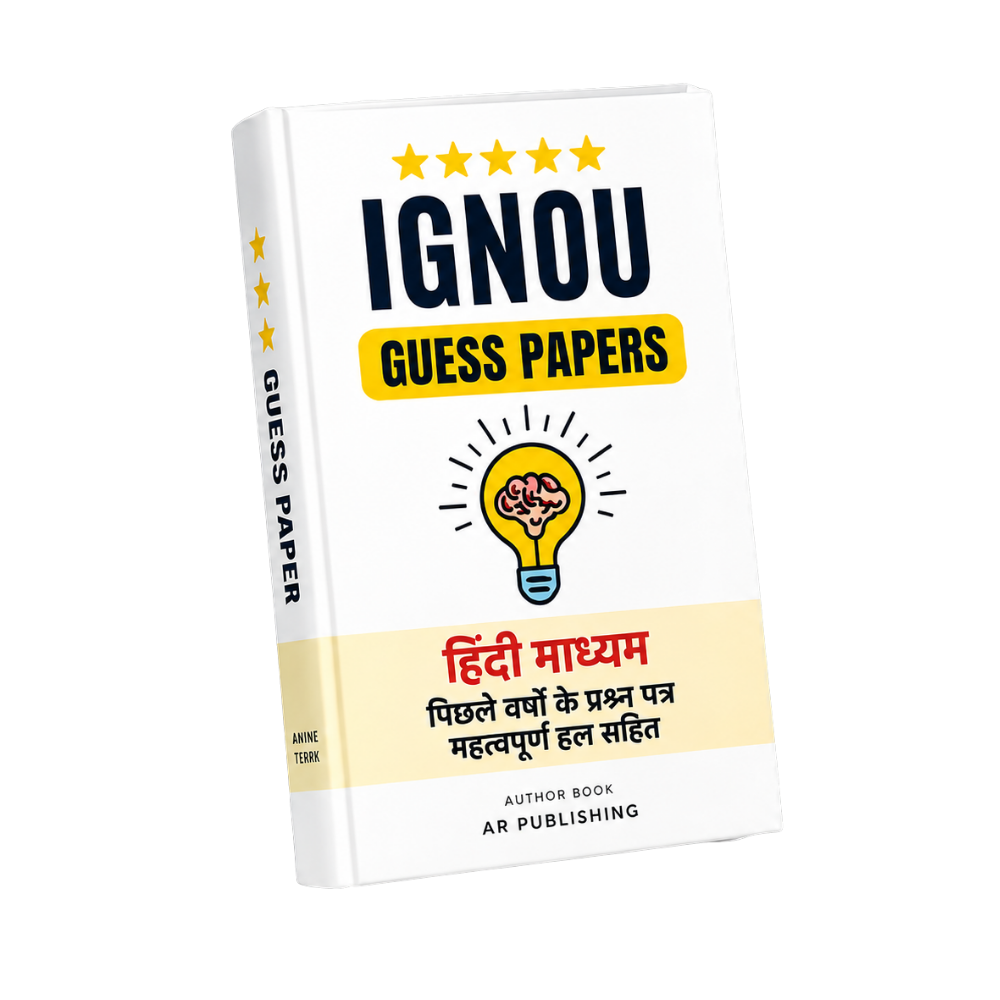
BGYET-147 IGNOU Guess Paper 2026-27
Click to view offer details & terms
Get 10% OFF Instant Discount
Apply this coupon code at checkout to claim your academic discount instantly.
- Applicable on all university study materials
- Valid for up to 8 item(s) per order
- Valid till Oct 31, 2026
Enrolled in other IGNOU subjects?
Link your Enrollment No. to auto-map all your semester courses & free question papers.
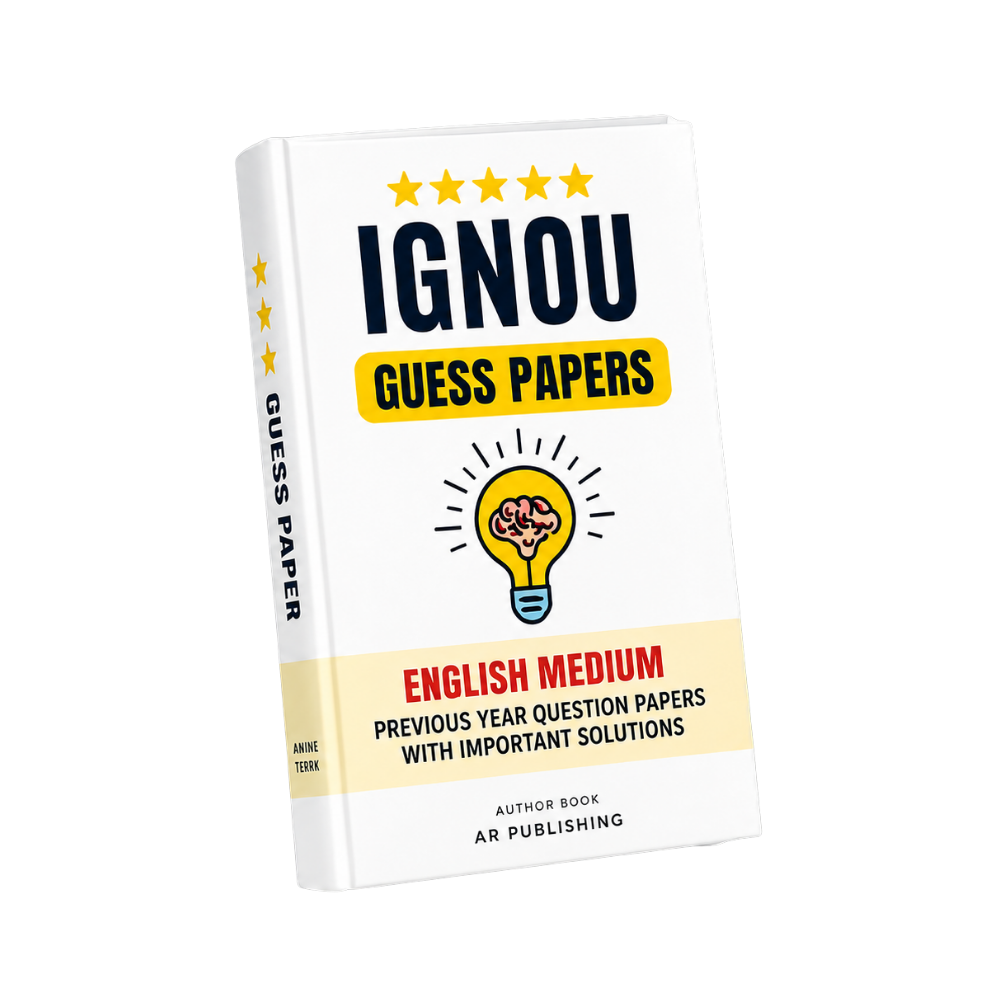
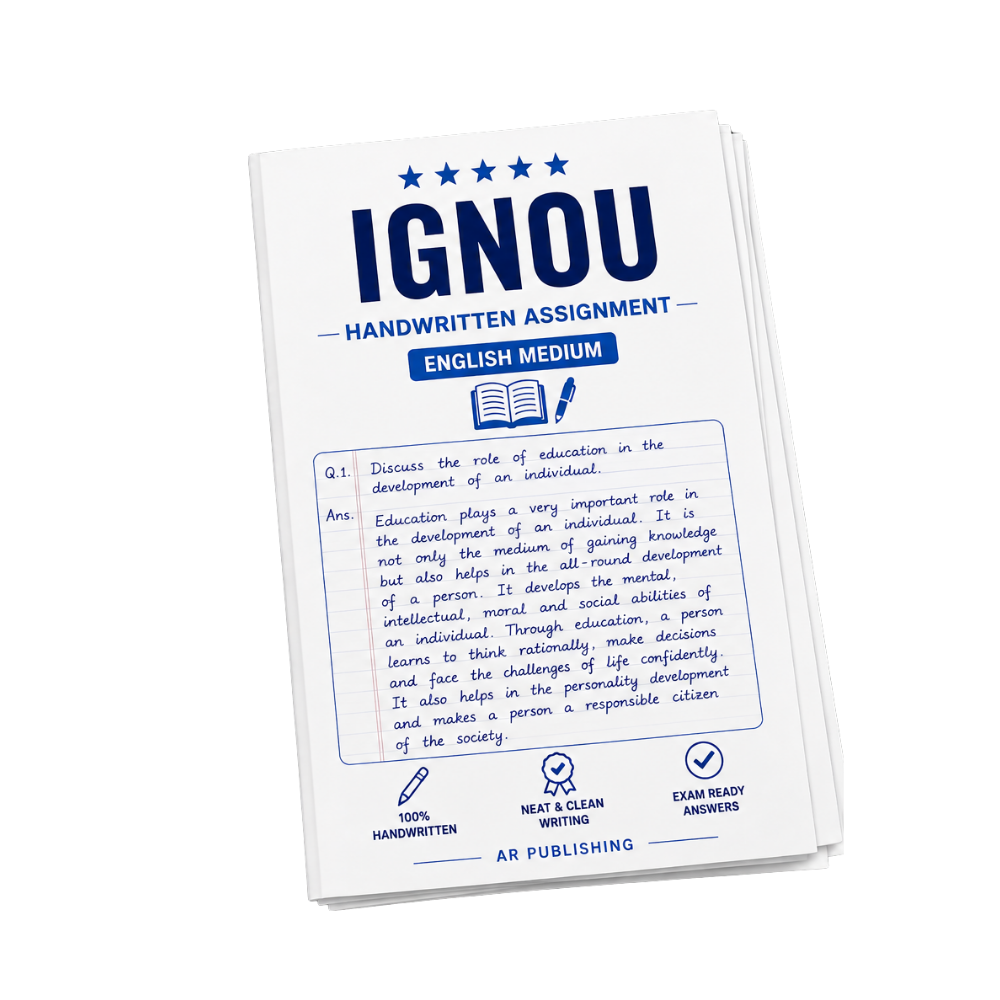
Frequently Bought Together
Popular course materials frequently ordered together

Syllabus & Overview
Course Scope & Syllabus Overview for BGYET-147: Geomorphology and Geotectonics
IGNOU’s BGYET-147: Geomorphology and Geotectonics is a core course under the Bachelor of Science (BSCG) programme, designed to equip students with a rigorous understanding of Earth’s surface processes and tectonic frameworks. This course bridges fundamental geomorphological principles with geotectonic theories, emphasizing field-based and analytical approaches to explain landform evolution, crustal dynamics, and plate interactions. It aligns with the CBCS curriculum to foster critical thinking about Earth systems, integrating case studies from global geomorphological regions and tectonic settings. Students gain proficiency in interpreting geological maps, analyzing erosion-deposition cycles, and applying plate tectonics to explain seismic and volcanic phenomena—skills essential for both academic and field-based research.Key Syllabus Units & Topics
- Block-1: Basic Concepts of Geomorphology: Covers foundational theories such as Davisian cycle of erosion, Penck’s stage theory, and Thalweg principle, alongside quantitative methods like slope analysis and drainage basin morphology to dissect landform genesis.
- Block-2: Landforms: Explores fluvial, glacial, aeolian, and coastal landforms through morphological classification, depositional features (e.g., deltas, sand dunes), and their climatic controls, with emphasis on Indian subcontinent examples.
- Block-3: Fundamentals of Geotectonics: Delves into isostasy, orogenic belts, and the role of mantle convection, linking structural geology (folds, faults) to tectonic stress regimes and their implications for mountain-building processes.
- Block-4: Plate Tectonics and Movements: Analyzes Wilson cycle, hotspot volcanism, and transform boundaries, with practical applications in interpreting seismic data and reconstructing paleogeographic reconstructions.
Frequently Asked Questions
Q: How are marks distributed in the BGYET-147 Term-End Examination (TEE), and what weightage does each unit carry?
A: The TEE for BGYET-147 follows a 100-mark pattern, with Block-1 to Block-4 typically carrying 20–25 marks each, prioritizing conceptual clarity over rote memorization; past papers reveal that Block-3 (Geotectonics) and Block-4 (Plate Tectonics) often receive higher question frequency due to their analytical depth.
Q: Are assignments mandatory for BGYET-147, and how do they impact the final grade?
A: Assignments are compulsory (worth 30 marks) and contribute 30% to the total score; they assess practical skills like map interpretation and case-study analysis, so students must submit them on time to avoid penalties under IGNOU’s grading policy.
Why buy from us?
-
Verified by top professors and 99th percentile students.
-
Always updated to the latest university curriculum.
-
High-quality, printable PDF formats with clear diagrams.
License & Terms
By purchasing this item, you agree to our standard academic license terms. You may use this product for personal study, but you may not resell or redistribute the files online.