

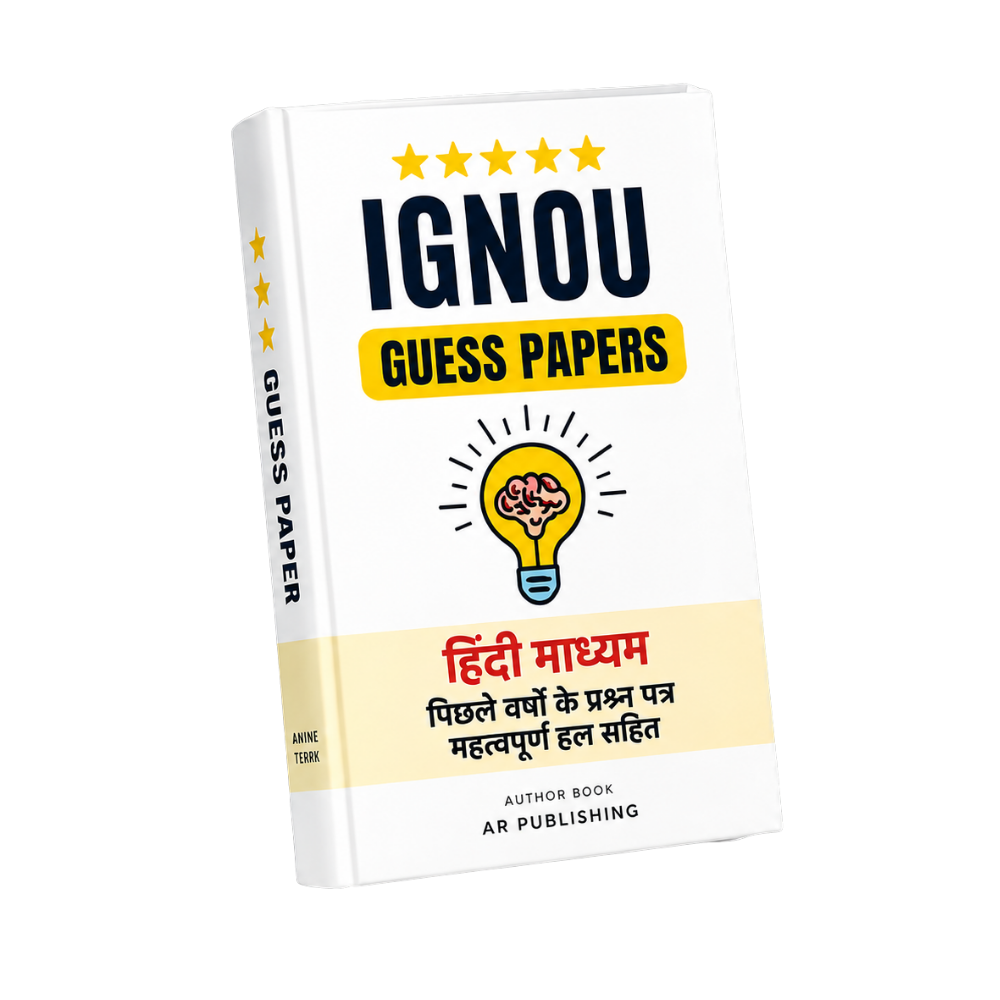
BMDG-171 IGNOU Guess Paper 2026-27
Click to view offer details & terms
Get 10% OFF Instant Discount
Apply this coupon code at checkout to claim your academic discount instantly.
- Applicable on all university study materials
- Valid for up to 8 item(s) per order
- Valid till Oct 31, 2026
Enrolled in other IGNOU subjects?
Link your Enrollment No. to auto-map all your semester courses & free question papers.
Frequently Bought Together
Popular course materials frequently ordered together
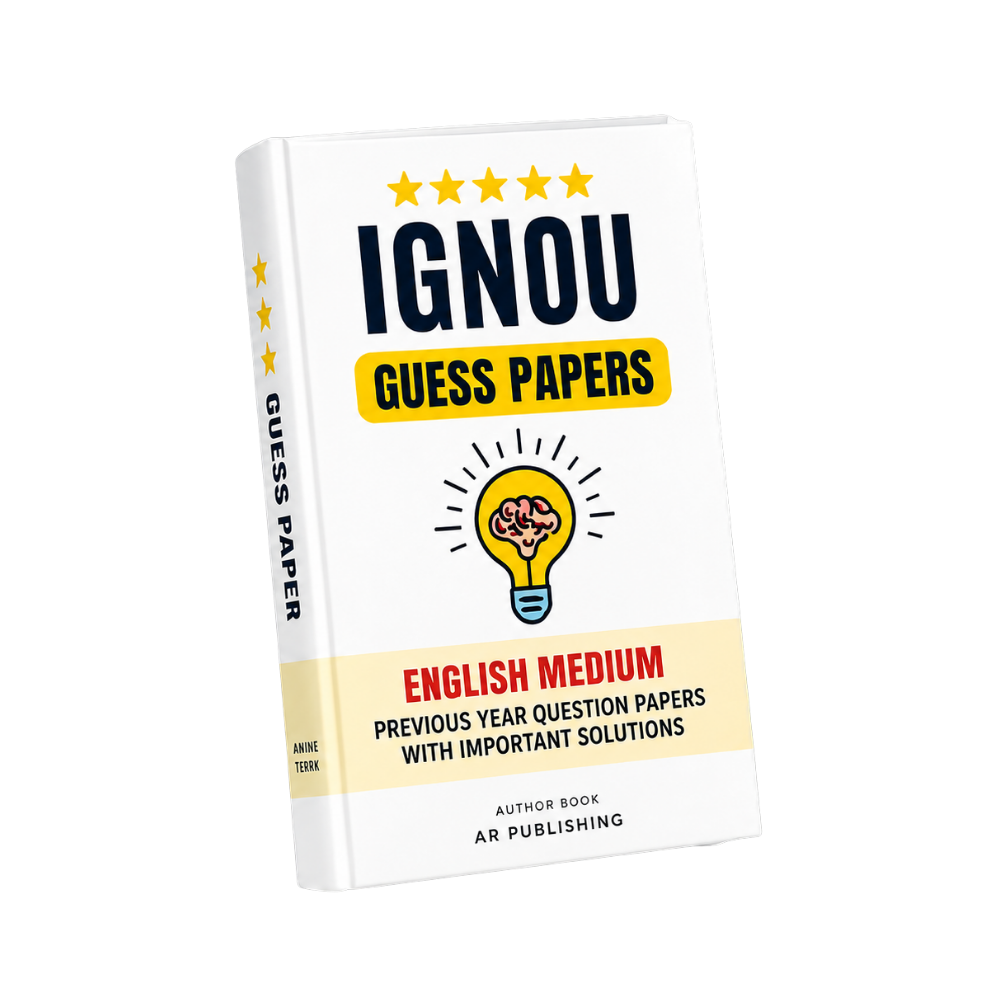
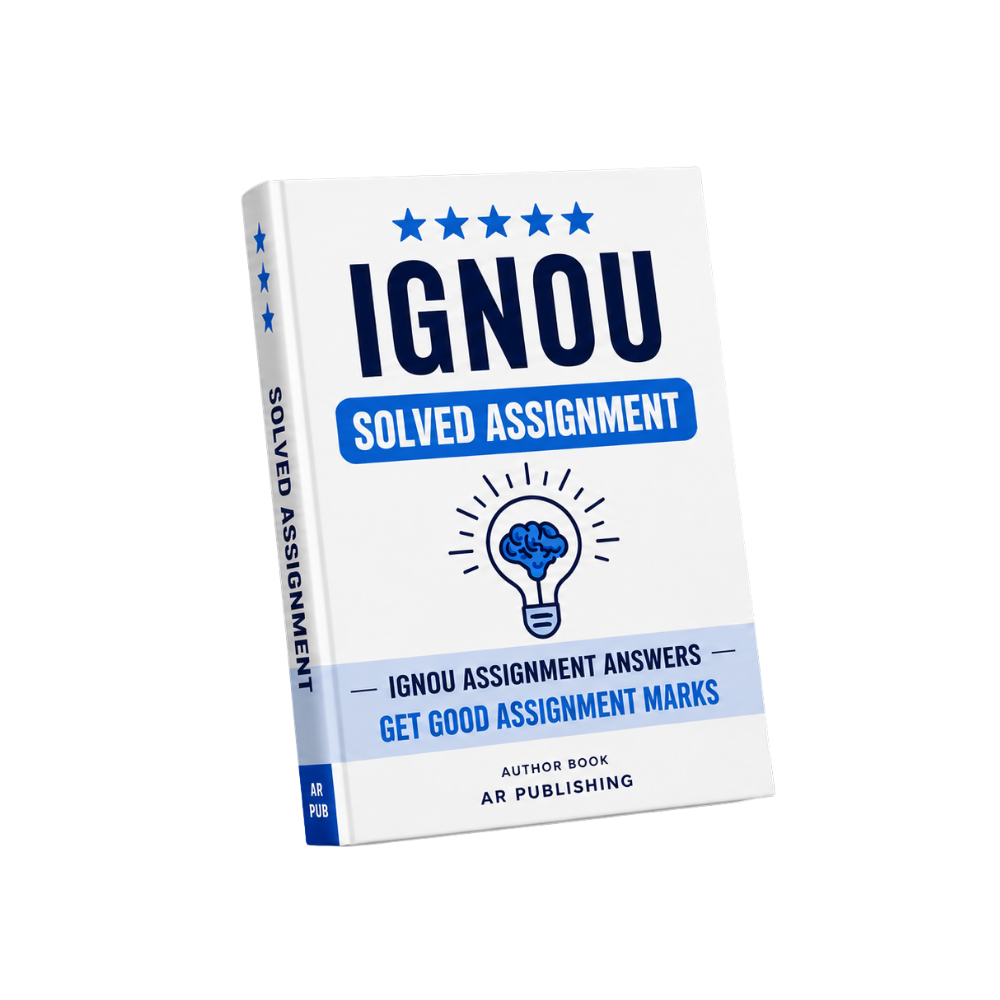
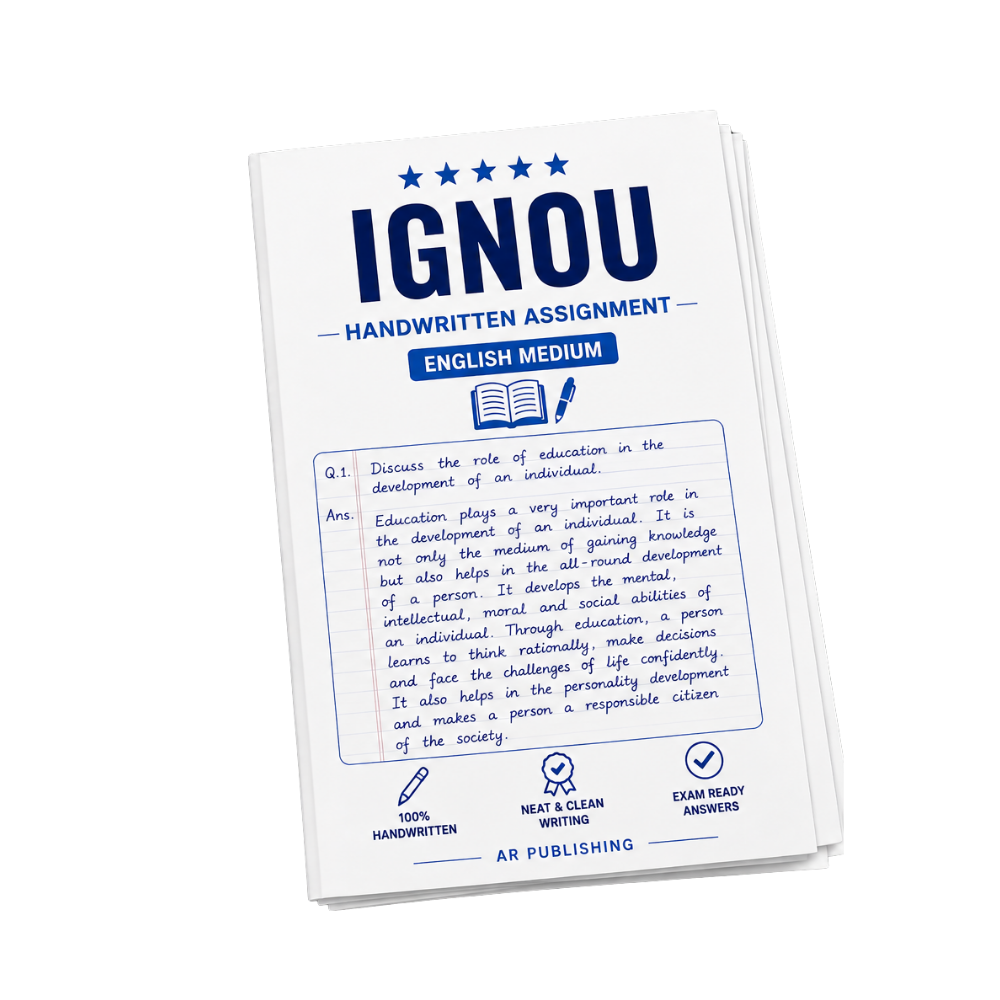
Syllabus & Overview
Course Scope & Syllabus Overview for BMDG-171: Disability Society and Culture
BMDG-171: Disability Society and Culture is a specialized course within IGNOU’s Bachelor’s Degree program under the School of Tourism and Hospitality Service Management (SOTHSM), designed to critically examine the intersection of disability with societal structures, cultural narratives, and systemic barriers. This course aligns with the CBCS framework to foster interdisciplinary understanding, blending sociological, anthropological, and policy-oriented perspectives. Students explore disability as a multifaceted construct—shaped by historical, economic, and legal contexts—while analyzing its implications for social equity, labor participation, and inclusive governance. The curriculum emphasizes empirical research, case studies, and policy critiques to equip learners with analytical tools for advocating accessible environments and equitable practices.Key Syllabus Units & Topics
- Block-1: Understanding Disability: This block dissects the medical, social, and human rights models of disability, contrasting their theoretical foundations and practical applications. It covers the International Classification of Functioning (ICF), disability as a social construct, and the role of stigma in marginalizing communities.
- Block-2: Disability: Social and Cultural Dimensions: Focuses on how cultural narratives, media representation, and institutional practices perpetuate or challenge disability stereotypes. Topics include disability in literature, folklore, and global cultural movements, alongside critiques of ableism in workplace and educational settings.
- Block-4: Disability and Socio-Economic Realities: Examines the economic disparities faced by disabled individuals, including barriers to employment, entrepreneurship, and financial inclusion. The block analyzes disability-specific policies (e.g., Persons with Disabilities Act, 1995) and their efficacy in mitigating poverty and exclusion.
- Block-5: Disability, Rights and Social Justice: Explores legal frameworks for disability rights, global conventions (e.g., UNCRPD), and grassroots activism. It evaluates case studies of legal victories and systemic failures, emphasizing participatory models of advocacy and community-led solutions.
- Block-6: Disability, Accessibility and Technology: Investigates the role of assistive technologies (e.g., AI, universal design) in enhancing accessibility. The block critiques the digital divide, ethical dilemmas in tech development, and the business case for inclusive innovation in corporate and public sectors.
Frequently Asked Questions
Q: What is the marking scheme for the Term-End Examination (TEE) in BMDG-171, and how are internal assignments weighted?
A: The TEE for BMDG-171 carries 100 marks, divided into objective (20 marks) and subjective (80 marks) sections. Assignments contribute 30 marks collectively, with each assignment worth 15 marks, and are evaluated based on critical analysis, referencing, and adherence to word limits as per the study material.
Q: Are there recurring questions in past TEE papers for BMDG-171, and how can students prioritize revision based on chapter-wise weightage?
A: Yes, approximately 40% of TEE questions repeat annually, often from Blocks 1, 4, and 5 due to their policy and rights-focused content. Students should prioritize these blocks while cross-referencing the Solved Question Papers (June/December cycles) included in this guide for high-yield topics like the ICF framework, UNCRPD, and case studies on workplace accessibility.
Why buy from us?
-
Verified by top professors and 99th percentile students.
-
Always updated to the latest university curriculum.
-
High-quality, printable PDF formats with clear diagrams.
License & Terms
By purchasing this item, you agree to our standard academic license terms. You may use this product for personal study, but you may not resell or redistribute the files online.