

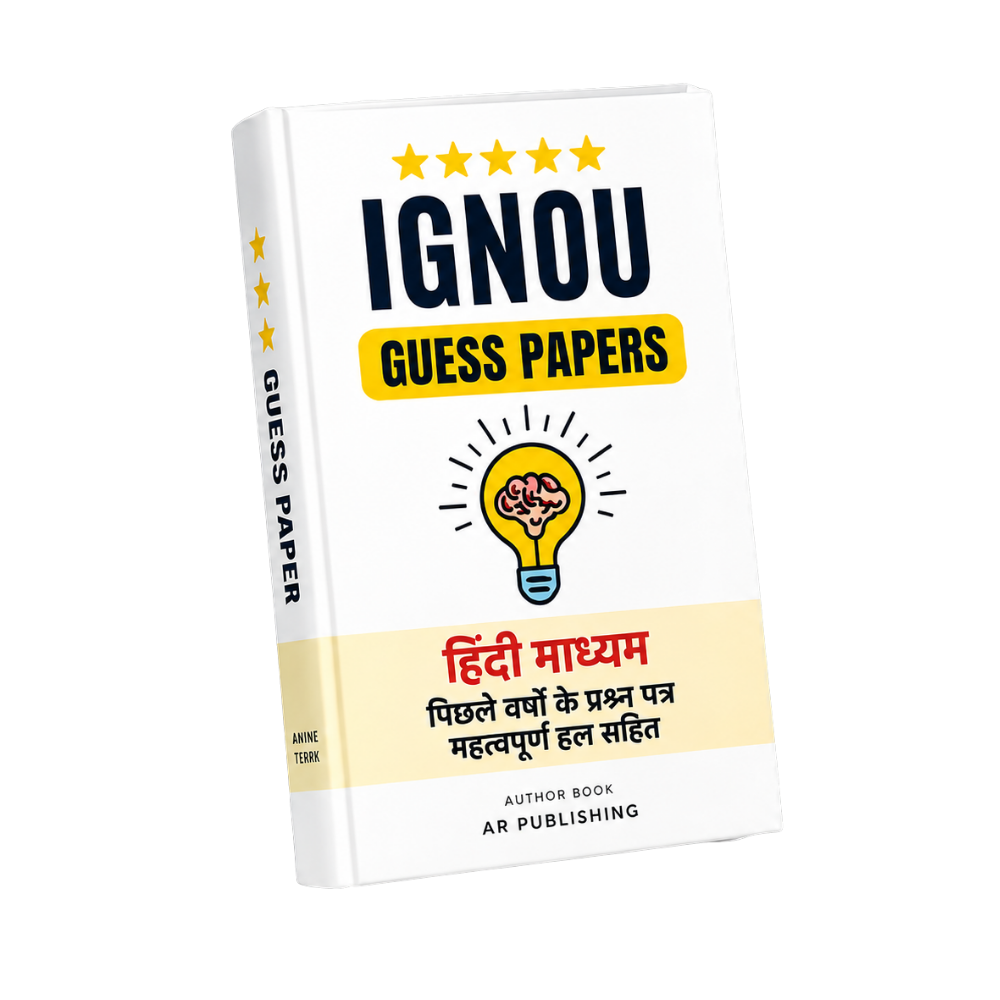
BPVI-004 IGNOU Guess Paper 2026-27
Click to view offer details & terms
Get 10% OFF Instant Discount
Apply this coupon code at checkout to claim your academic discount instantly.
- Applicable on all university study materials
- Valid for up to 8 item(s) per order
- Valid till Oct 31, 2026
Enrolled in other IGNOU subjects?
Link your Enrollment No. to auto-map all your semester courses & free question papers.
Frequently Bought Together
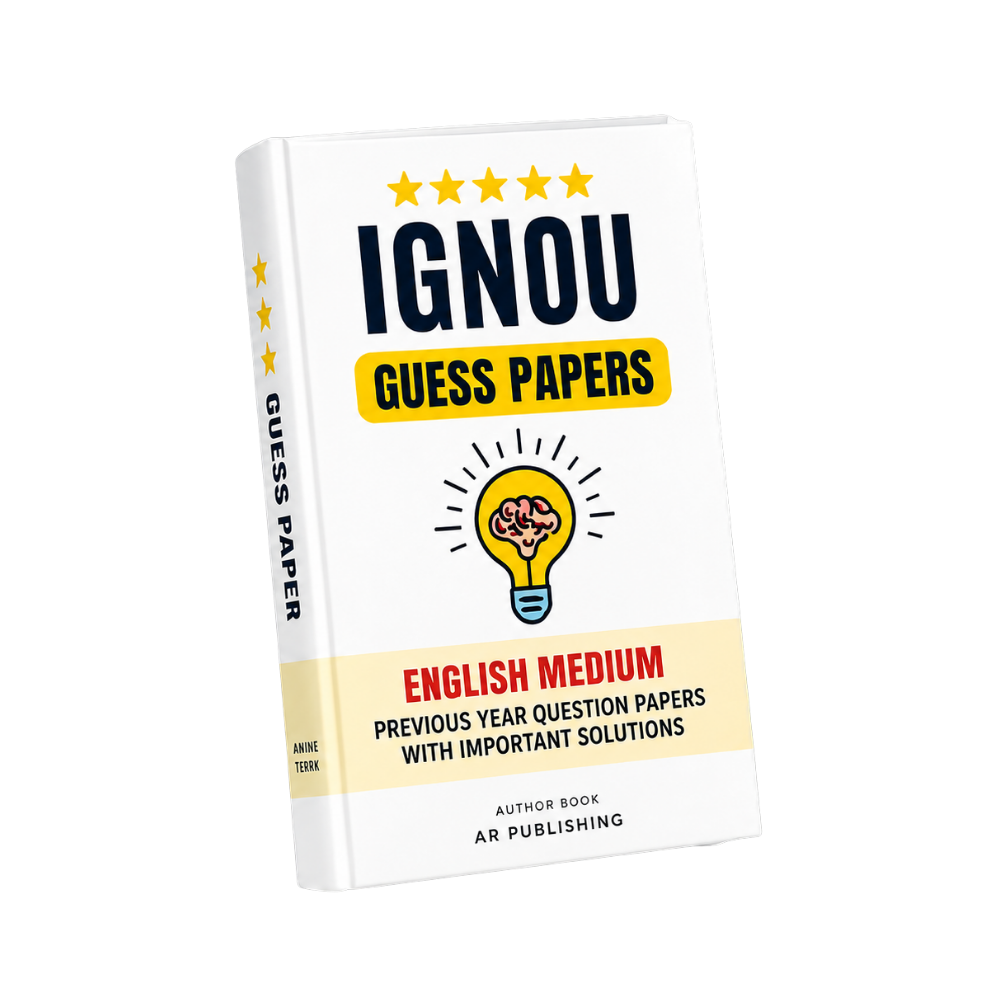
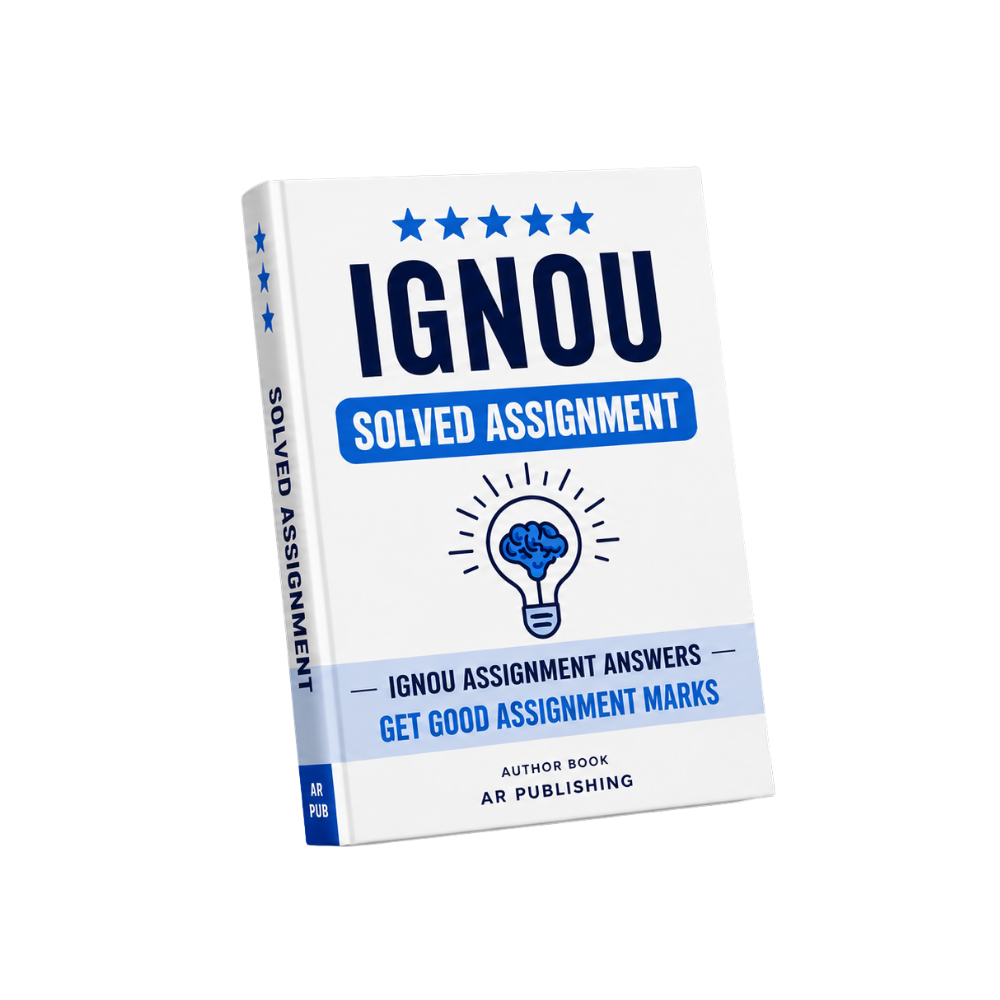
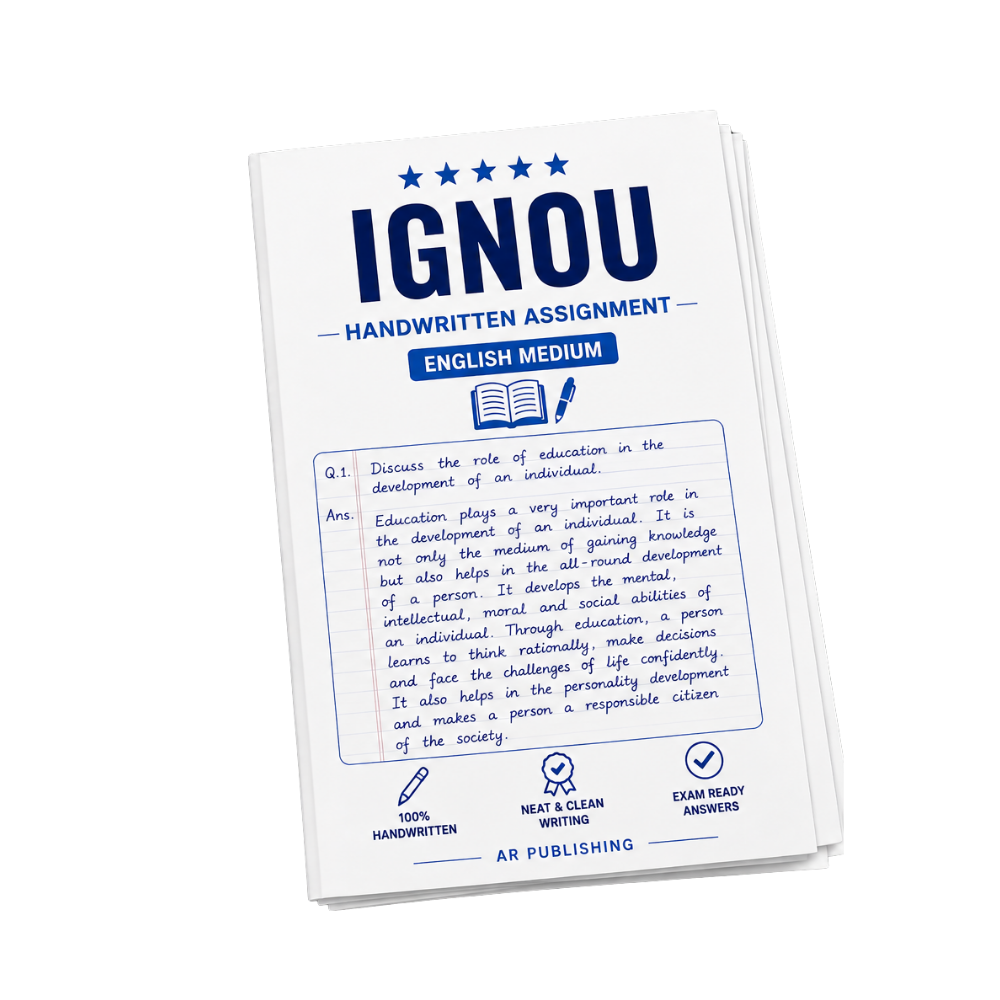
Popular course materials frequently ordered together
Syllabus & Overview
Course Scope and Syllabus Overview for BPVI-004: Food Processing and Engineering-I
IGNOU’s BPVI-004: Food Processing and Engineering-I is a core component of the Diploma in Value Added Products from Fruits and Vegetables (DVAPFV) curriculum, designed to equip students with foundational knowledge in food processing principles and engineering applications. This course bridges theoretical concepts with practical industry relevance, emphasizing unit operations, value-added product development, and mechanization in food systems. The syllabus aligns with the Common Core Curriculum Structure (CBCS) for agricultural disciplines, ensuring students gain expertise in processing techniques, equipment design, and quality assurance—critical for modern food value chains. The study material prepares candidates for term-end examinations by integrating solved past papers, chapter-wise weightage analysis, and strategic revision techniques tailored to IGNOU’s assessment patterns.Key Syllabus Units and Topics
- Block-1: Introduction: Covers fundamental principles of food processing, including definitions, objectives, and the role of engineering in enhancing food preservation, safety, and nutritional value. Topics include historical context, regulatory frameworks, and the economic impact of processed foods on global markets.
- Block-2: Unit Operations: Milling, Size Reduction; Material Handling & Transportation: Focuses on mechanical processing techniques such as milling (grain, spices, and cereal processing), size reduction methods (grinding, cutting, and pulverization), and efficient material handling systems. Emphasizes energy optimization, equipment selection, and maintenance for industrial applications.
- Block-3: Value Added Products from Fruits & Vegetables: Explores innovative processing methods to transform raw agricultural produce into high-value products, including jams, pickles, dehydrated snacks, and fermented items. Covers sensory evaluation, shelf-life extension, and market-driven product development strategies.
- Block-4: Plant Layout, Equipment, and Mechanization: Examines the design principles of food processing plants, including workflow optimization, equipment selection (e.g., conveyors, mixers, and packaging machines), and automation in mechanized food systems. Addresses cost-efficiency, hygiene standards, and scalability for small-scale and industrial setups.
Frequently Asked Questions
Q: What is the marking scheme for BPVI-004 Term-End Examination (TEE), and how are internal assignments weighted?
A: The TEE for BPVI-004 carries 100 marks, with questions distributed across theory (short/long answers), numerical problems, and practical scenarios. Internal assignments (e.g., assignments, tutorials) contribute 20 marks to the final grade, requiring students to submit solutions via eGyanKosh within the stipulated deadlines.
Q: Are there recurring questions in past TEE papers for BPVI-004, and how can I identify high-weightage topics?
A: Yes, certain units like Block-2 (Unit Operations) and Block-3 (Value Added Products) frequently feature in TEE papers. Analyzing solved past papers (June/December cycles) reveals recurring themes—e.g., milling efficiency calculations, shelf-life analysis of processed fruits, and plant layout diagrams—which account for 40–50% of total marks. Prioritize these areas for revision.
Why buy from us?
-
Verified by top professors and 99th percentile students.
-
Always updated to the latest university curriculum.
-
High-quality, printable PDF formats with clear diagrams.
License & Terms
By purchasing this item, you agree to our standard academic license terms. You may use this product for personal study, but you may not resell or redistribute the files online.