

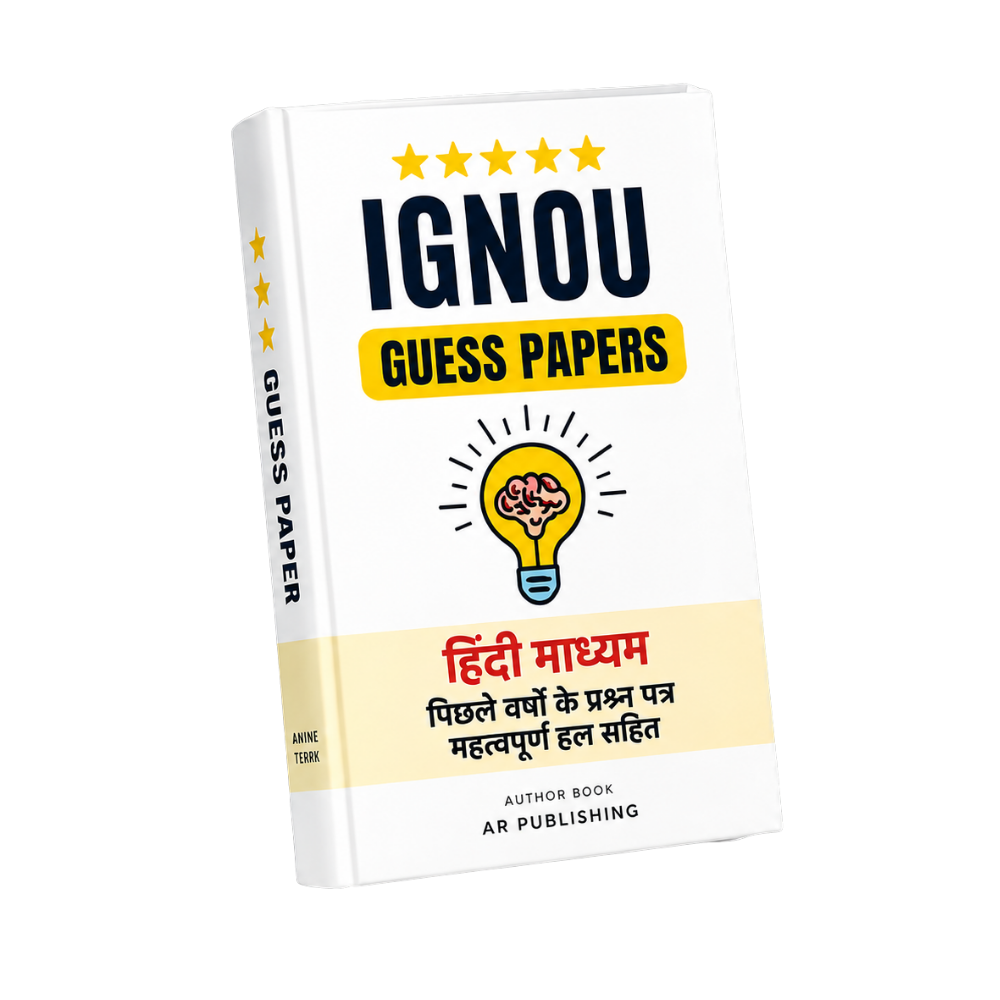
BRL-011 IGNOU Guess Paper 2026-27
Click to view offer details & terms
Get 10% OFF Instant Discount
Apply this coupon code at checkout to claim your academic discount instantly.
- Applicable on all university study materials
- Valid for up to 8 item(s) per order
- Valid till Oct 31, 2026
Enrolled in other IGNOU subjects?
Link your Enrollment No. to auto-map all your semester courses & free question papers.
Frequently Bought Together
Popular course materials frequently ordered together
Syllabus & Overview
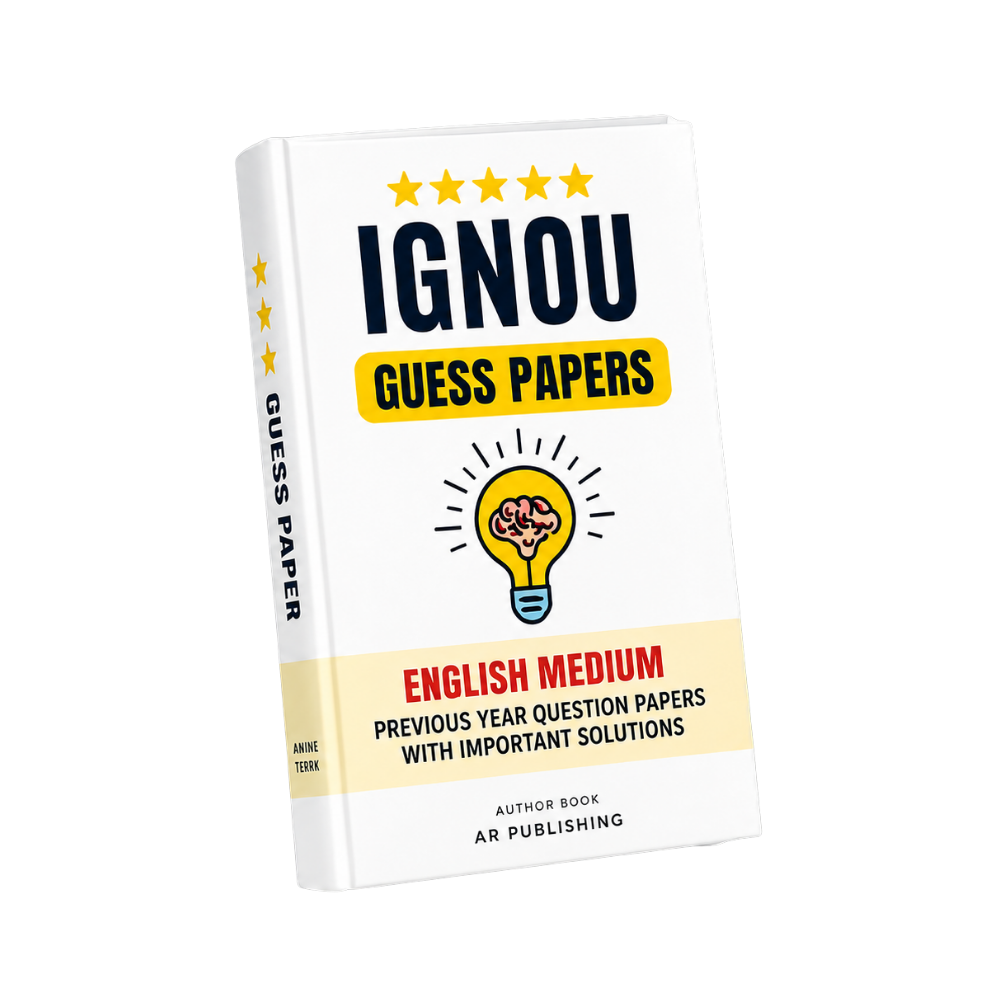
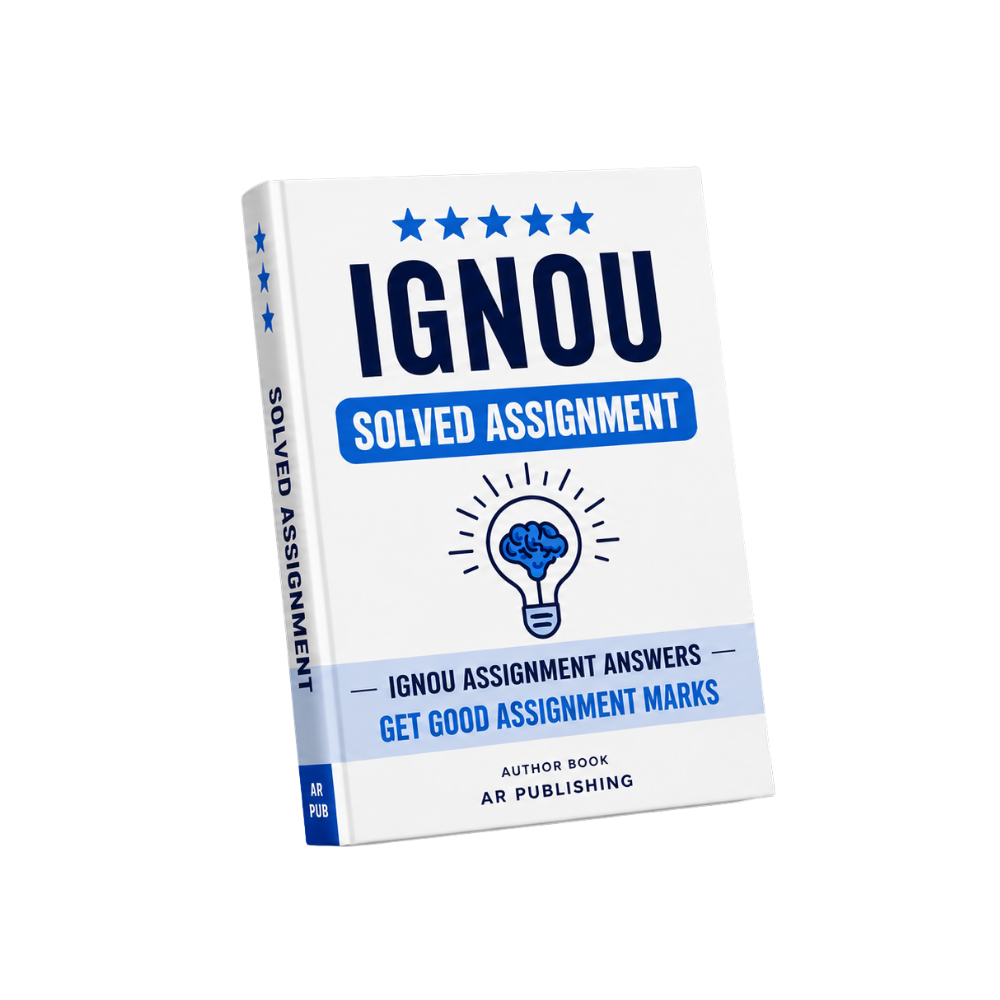
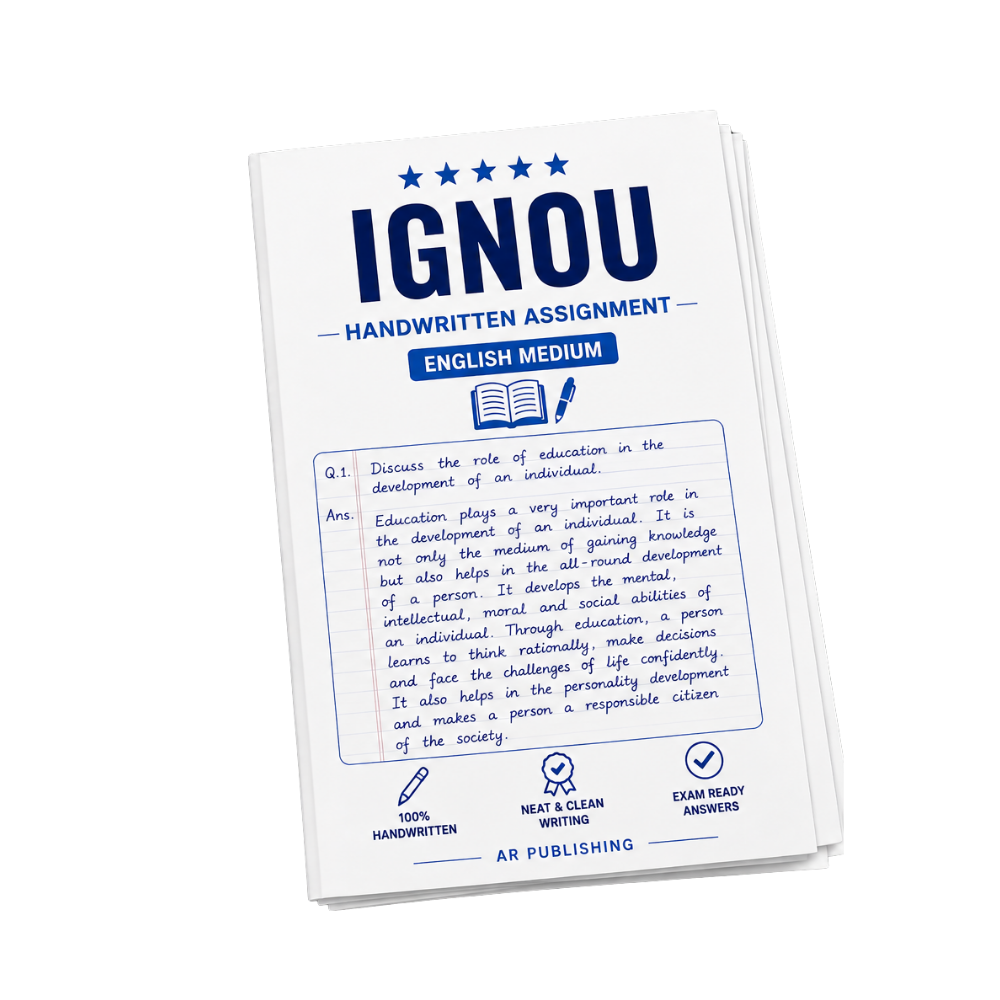
BRL-011 Guess Paper: Retail Operations and Store Management II (Term-End Exam Focus)
This structured guess paper aligns with IGNOU’s official BRL-011 syllabus, prioritizing high-scoring units based on past 5–10 years of TEE patterns (June/December sessions). It includes chapter-wise question distribution, time management strategies, and subject-specific FAQs.
Key Units & Exam Weightage (Based on Previous Papers)
- Unit-2: Customer Retention Strategies in Retail
- Focus areas: Loyalty programs, CRM (Customer Relationship Management) frameworks, and retention vs. acquisition cost analysis.
- Common question types: Case studies on retail chains (e.g., Pantaloon), numerical problems on retention metrics (e.g., churn rate calculations).
- Solved previous-year question example:
Q. Explain the role of data analytics in designing a customer retention strategy for a mid-sized retail chain. (10 marks)
- Unit-4: Store Layout and Design
- Focus areas: Merchandise flow optimization, traffic pattern analysis, and accessibility compliance (e.g., ADA guidelines).
- Common question types: Diagrammatic questions on store layouts, short-answer questions on space utilization strategies.
- Solved previous-year question example:
Q. Design a layout for a 500 sq. m. grocery store with a focus on high-traffic zones and impulse purchases. (8 marks)
- Unit-9: Category Management
- Focus areas: SKU rationalization, category role definition (e.g., staples vs. convenience items), and vendor negotiation strategies.
- Common question types: Case studies on Relief Medical Store’s category management, numerical problems on inventory turnover ratios.
- Solved previous-year question example:
Q. Critically analyze the category management approach adopted by Relief Medical Store for its pharmaceuticals section. (12 marks)
- Unit-7: Managing Financials and Operations Performance
- Focus areas: Key performance indicators (KPIs) in retail (e.g., GMROI, sales per square foot), cost-volume-profit analysis.
- Common question types: Short-answer questions on financial ratios, case studies linking KPIs to operational decisions.
- Solved previous-year question example:
Q. Calculate the GMROI for a retail store with a $500,000 inventory turnover and a 20% gross margin. (6 marks)
- Unit-8: Balanced Score Card in Retail Operations
- Focus areas: Linking financial, customer, internal process, and learning/growth perspectives to retail strategy.
- Common question types: Explanatory questions on BSC application in retail, short-answer questions on KPI mapping.
- Solved previous-year question example:
Q. How does a balanced scorecard help a retail chain align its operational goals with long-term financial objectives? (10 marks)
Exam Time Management Tips (3-Hour Strategy)
- First 30 minutes: Skim the entire question paper to identify high-mark questions (e.g., 12-mark case studies) and allocate time accordingly.
- Prioritize units: Spend 30–40% of time on Unit-2 (Customer Retention) and Unit-9 (Category Management), as they carry 25–30% weightage in past papers.
- Diagrams and layouts: For Unit-4, allocate 15–20 minutes to sketch store layouts if required; ensure labels are clear and concise.
- Numerical problems: Practice quick calculations for Unit-7 and Unit-10 (Pricing) using scratch paper to save time.
- Last 30 minutes: Review answers for grammatical accuracy and completeness, especially in descriptive sections.
Subject-Specific FAQs
- Q: Are numerical questions common in BRL-011?
A: Yes. Units like Unit-7 (Financials) and Unit-10 (Pricing) frequently include calculations (e.g., markup percentages, inventory turnover). Practice past-year papers for speed.
- Q: How important are case studies in the exam?
A: Case studies (e.g., Pantaloon or Relief Medical Store) account for 30–40% of marks. Focus on applying theoretical concepts to real-world scenarios.
Why buy from us?
-
Verified by top professors and 99th percentile students.
-
Always updated to the latest university curriculum.
-
High-quality, printable PDF formats with clear diagrams.
License & Terms
By purchasing this item, you agree to our standard academic license terms. You may use this product for personal study, but you may not resell or redistribute the files online.