

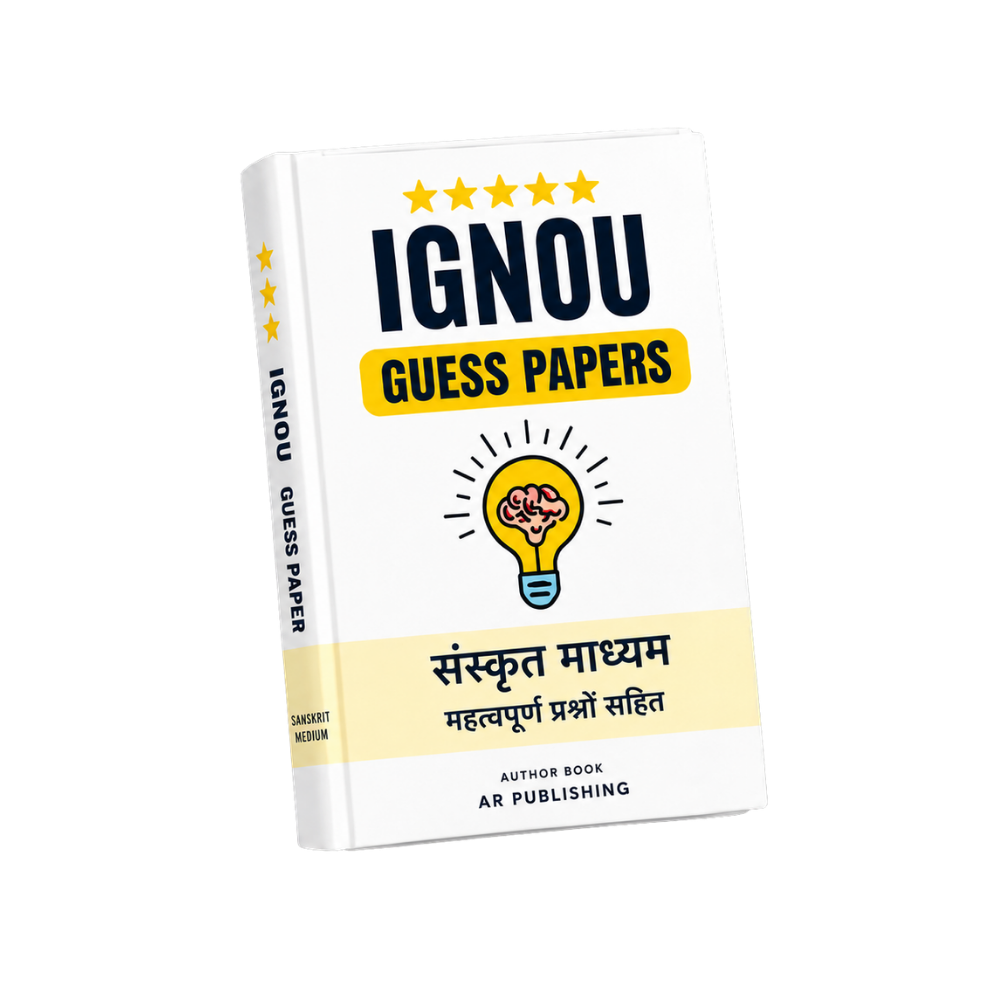
BSKS-191 IGNOU Guess Paper 2026-27
Click to view offer details & terms
Get 10% OFF Instant Discount
Apply this coupon code at checkout to claim your academic discount instantly.
- Applicable on all university study materials
- Valid for up to 8 item(s) per order
- Valid till Oct 31, 2026
Enrolled in other IGNOU subjects?
Link your Enrollment No. to auto-map all your semester courses & free question papers.
Frequently Bought Together
Popular course materials frequently ordered together


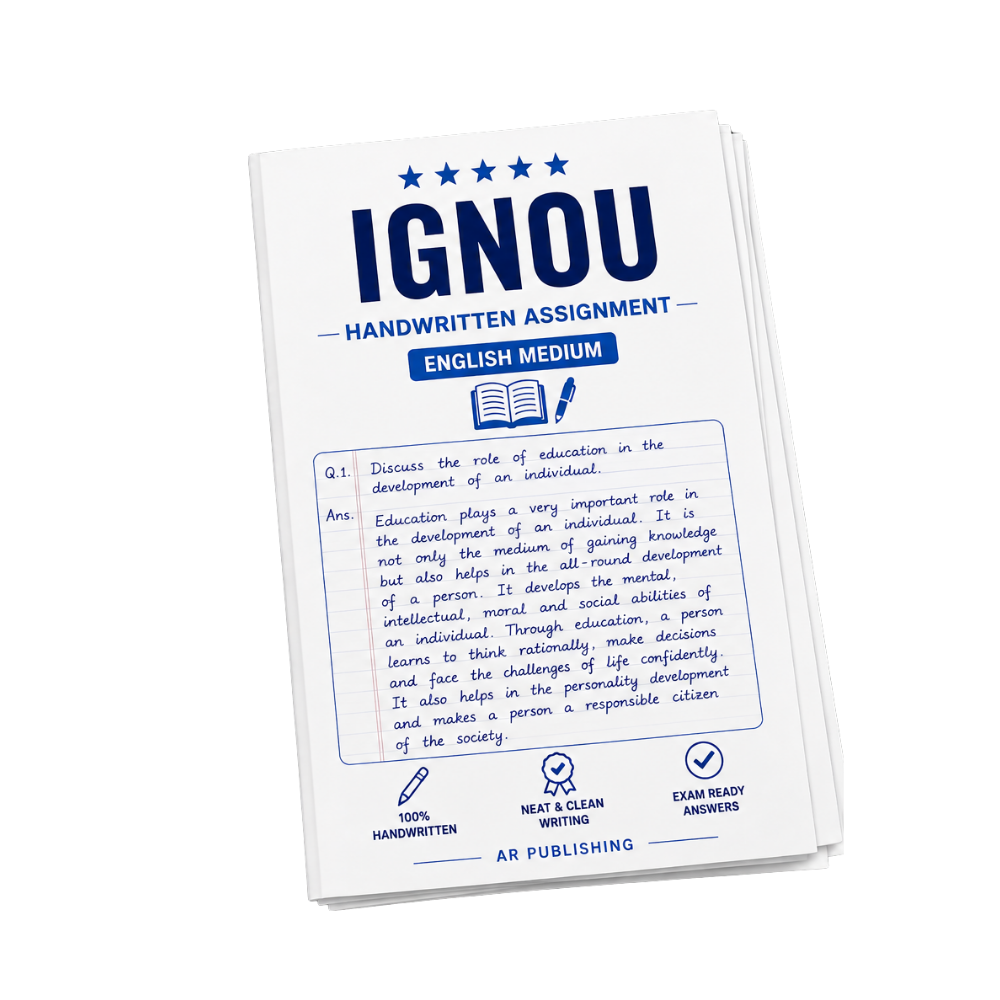
Syllabus & Overview
Course Scope & Syllabus Overview
BSKS-191: is a specialized course under the Bachelor of Arts (BAG) program within IGNOU’s School of Humanities. This course delves into the foundational principles of classical Indian architectural traditions, emphasizing the philosophical, aesthetic, and structural dimensions of ancient and medieval Indian architecture. Through a structured analysis of , students explore the intricacies of design, spatial organization, and cultural symbolism embedded in traditional Indian architectural texts. The syllabus is meticulously crafted to align with IGNOU’s CBCS framework, ensuring a rigorous yet accessible examination of heritage architecture, from temple complexes to royal residences, while fostering critical engagement with primary sources. The course equips students with analytical tools to interpret architectural texts, decode symbolic motifs, and contextualize historical developments within broader cultural narratives. By focusing on across four distinct blocks, learners gain a nuanced understanding of how theoretical frameworks informed practical construction, bridging the gap between theory and heritage preservation.Key Syllabus Units & Topics
- -1 (-1): This unit examines the introductory principles of , including fundamental concepts of sacred geometry, mandala-based planning, and the philosophical underpinnings of Indian architectural cosmology. Students analyze the role of in defining auspicious spatial configurations for residential and religious structures.
- -2 (-2): The focus shifts to principles, covering detailed guidelines for temple architecture, such as the design of , , and , while exploring their symbolic representations tied to divine iconography and ritual practices.
- -3 (-3): This block explores , dissecting the interplay between architectural design and societal hierarchies, as well as the integration of - (mathematical proportions) in constructing palatial structures and public edifices.
- -4 (-4): The final unit addresses , evaluating the evolution of architectural theories from ancient texts to modern interpretations, with case studies on heritage conservation and contemporary adaptations of traditional principles.
Frequently Asked Questions
Q: How are marks distributed in the BSKS-191 Term-End Examination (TEE), and what weightage does each unit carry?
A: The TEE for BSKS-191 follows a 100-mark pattern, with questions evenly distributed across all four blocks of , typically allocating 20–25 marks per block. Objective and short-answer questions assess foundational concepts, while descriptive and analytical questions evaluate deeper understanding of architectural theories and symbolic interpretations.
Q: Are there specific study materials or past question papers that can help identify high-probability exam questions for BSKS-191?
A: Yes, analyzing 5–10 years of IGNOU past TEE question papers (available on the official eGyanKosh portal) reveals recurring themes, such as principles, temple architecture components, and case studies from ’s texts. Focus on these patterns to prioritize revision, as questions often repeat or adapt from these core areas.
Why buy from us?
-
Verified by top professors and 99th percentile students.
-
Always updated to the latest university curriculum.
-
High-quality, printable PDF formats with clear diagrams.
License & Terms
By purchasing this item, you agree to our standard academic license terms. You may use this product for personal study, but you may not resell or redistribute the files online.