

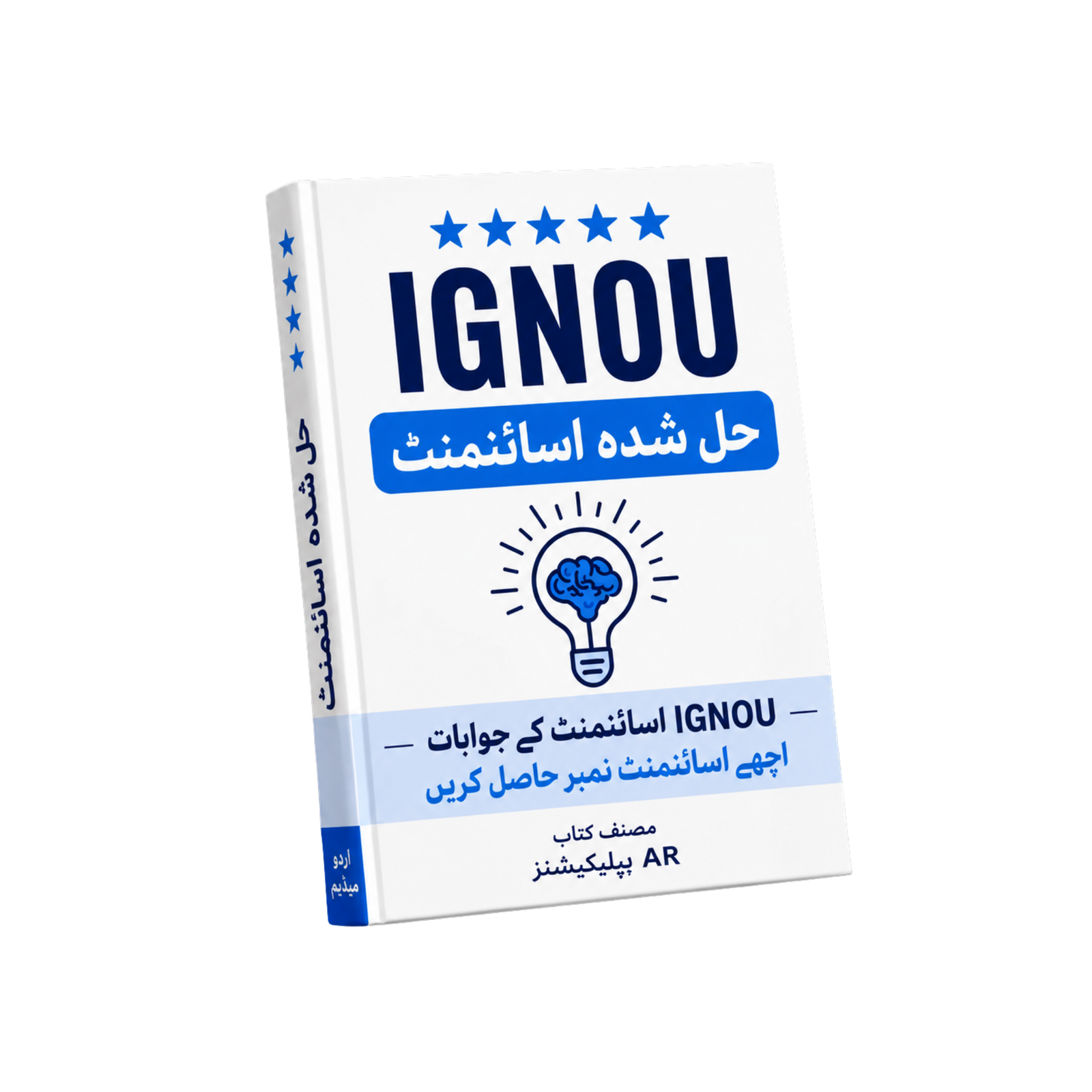
BUDE-143 IGNOU Solved Assignment 2026-27
Click to view offer details & terms
Get 10% OFF Instant Discount
Apply this coupon code at checkout to claim your academic discount instantly.
- Applicable on all university study materials
- Valid for up to 8 item(s) per order
- Valid till Oct 31, 2026
Enrolled in other IGNOU subjects?
Link your Enrollment No. to auto-map all your semester courses & free question papers.
Frequently Bought Together
Popular course materials frequently ordered together

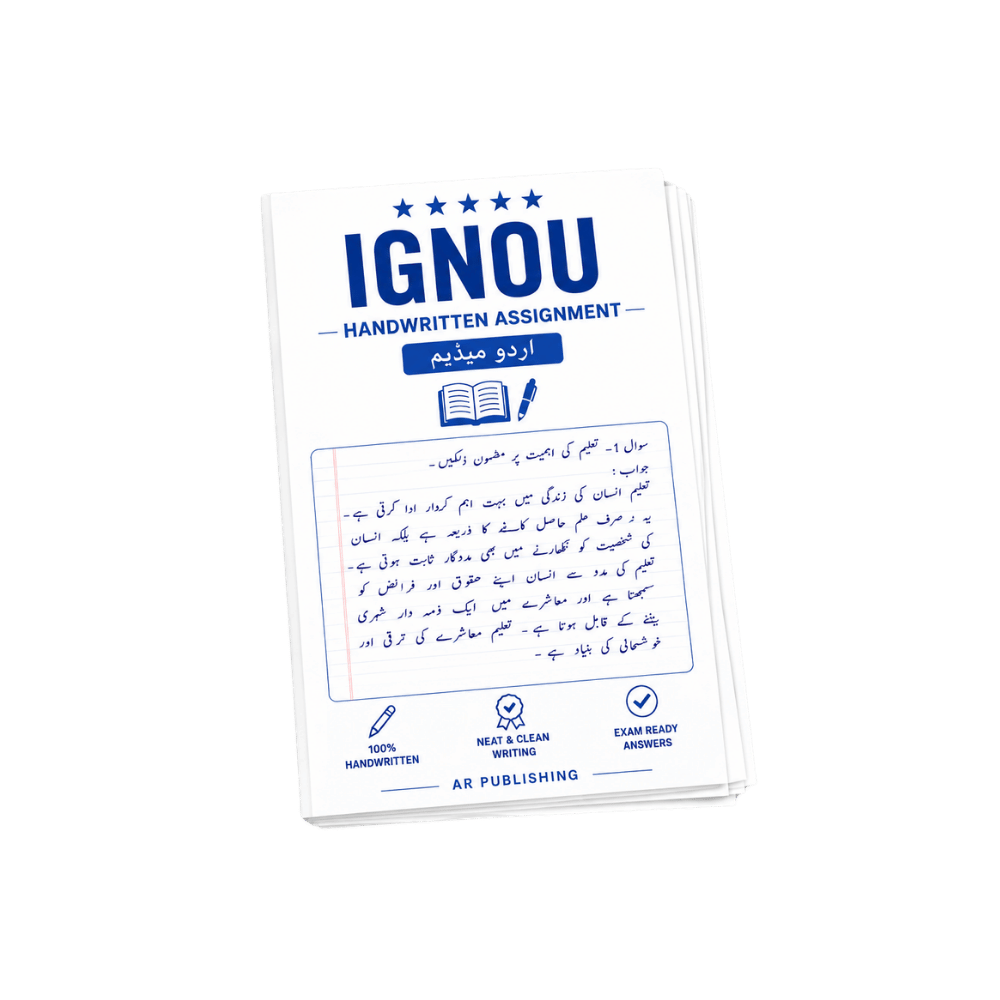
Syllabus & Overview
Exploring the Literary Landscape of Urdu Fiction: A Critical Study of BUDE-143
BUDE-143: offers an immersive exploration of Urdu short fiction, designed for students pursuing Bachelor of Arts (Honours) Urdu under IGNOU’s CBCS curriculum. This course meticulously dissects the evolution, thematic depth, and stylistic innovations of Urdu’s literary narrative tradition, bridging historical context with contemporary relevance. Through a structured analysis of seminal works, students engage with the socio-political, philosophical, and linguistic dimensions of Urdu fiction, developing critical reading and analytical writing skills essential for academic excellence. The study material is crafted to align with IGNOU’s emphasis on independent learning, ensuring students can independently navigate complex literary texts while adhering to rigorous academic standards.Core Syllabus Units and Thematic Focus
- Unit 1: Foundations of Urdu Fiction: Introduces the historical precursors of Urdu short stories, tracing their roots from 19th-century prose to the emergence of modern fiction under pioneers like Mirza Kalich Beg and Saadat Hasan Manto. Examines the transition from oral storytelling traditions to printed narratives.
- Unit 2: Thematic and Stylistic Innovations in Early 20th Century: Analyzes the works of Urdu’s early modernists, including Qurratulain Hyder and Krishan Chandra, focusing on their exploration of colonialism, gender, and identity. Highlights the use of symbolism and regional dialects in shaping narrative voice.
- Unit 3: Social Realism and the Urban Experience: Investigates the portrayal of urban life in post-Independence Urdu fiction, with a focus on authors like Intizar Husain and Firaq Gorakhpuri. Discusses how these writers critique societal structures through character studies and plot dynamics.
- Unit 4: Contemporary Urdu Fiction and Global Influences: Explores the evolution of Urdu fiction in the late 20th and early 21st centuries, including the impact of diaspora literature and experimental storytelling techniques. Features case studies of contemporary authors like Bapsi Sidhwa and Nadeem Aslam.
- Unit 5: Comparative Analysis and Literary Criticism: Encourages students to engage with comparative literary theories, applying them to Urdu fiction alongside global literary movements. Emphasizes close reading, thematic coherence, and the role of the critic in interpreting narrative intent.
Frequently Asked Questions
Q: What is the word count requirement for Section A and Section B in the TMA for BUDE-143?
A: The TMA for BUDE-143 strictly adheres to IGNOU’s guidelines: Section A requires a detailed answer of 500 words, while Section B demands concise responses of 250 words each. Adherence to these limits ensures full credit for clarity and depth.
Q: How are marks distributed in the TMA for BUDE-143, and what are the passing criteria?
A: The TMA carries 30% weightage in the final grade, with a minimum passing mark of 40% required for each section. Marks are awarded based on content accuracy, adherence to word limits, and critical engagement with the syllabus content.
Why buy from us?
-
Verified by top professors and 99th percentile students.
-
Always updated to the latest university curriculum.
-
High-quality, printable PDF formats with clear diagrams.
License & Terms
By purchasing this item, you agree to our standard academic license terms. You may use this product for personal study, but you may not resell or redistribute the files online.