

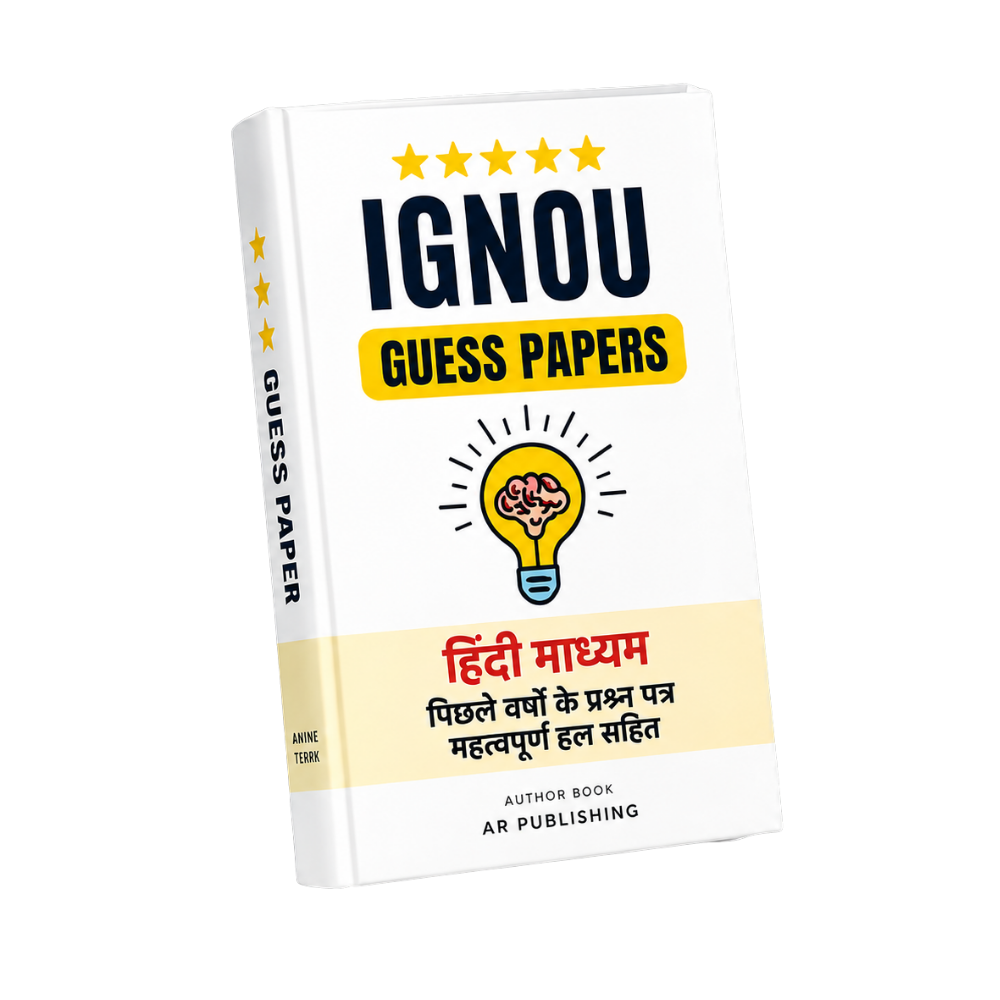
MHI-101 IGNOU Guess Paper 2026-27
Click to view offer details & terms
Get 10% OFF Instant Discount
Apply this coupon code at checkout to claim your academic discount instantly.
- Applicable on all university study materials
- Valid for up to 8 item(s) per order
- Valid till Oct 31, 2026
Enrolled in other IGNOU subjects?
Link your Enrollment No. to auto-map all your semester courses & free question papers.
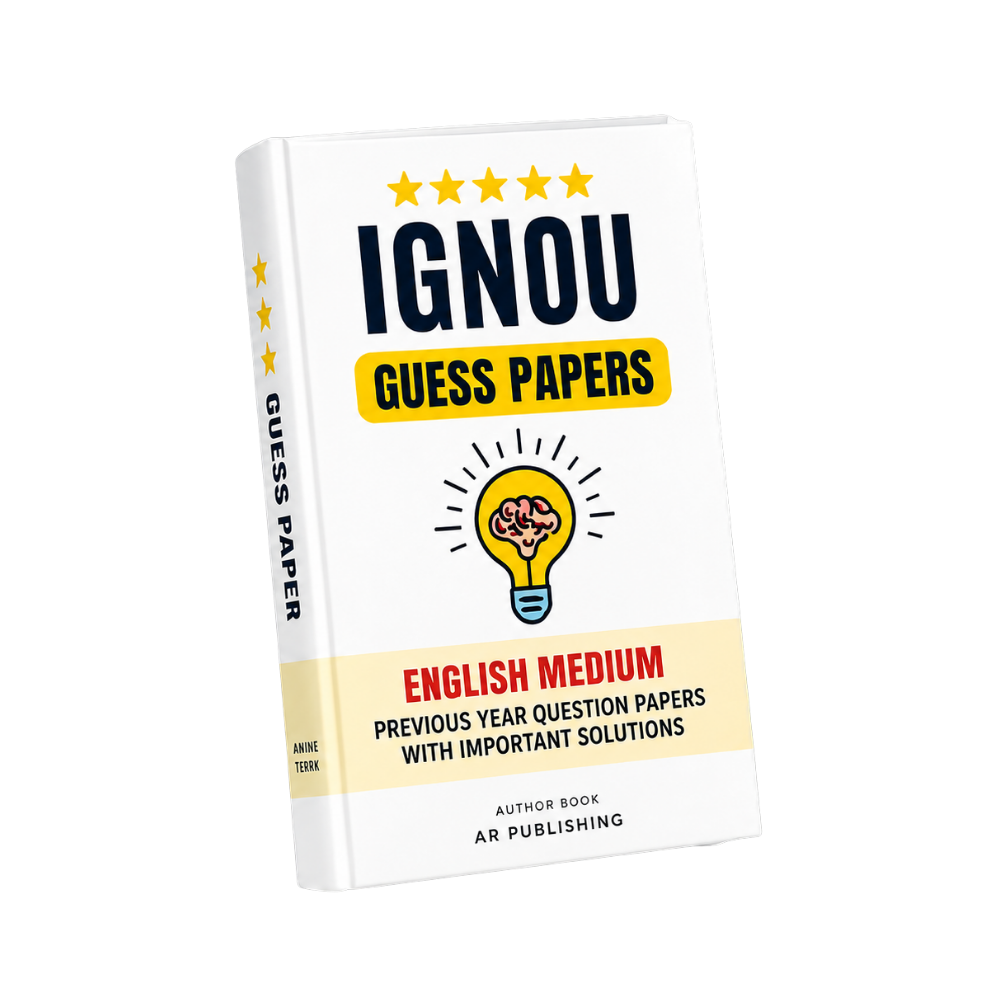
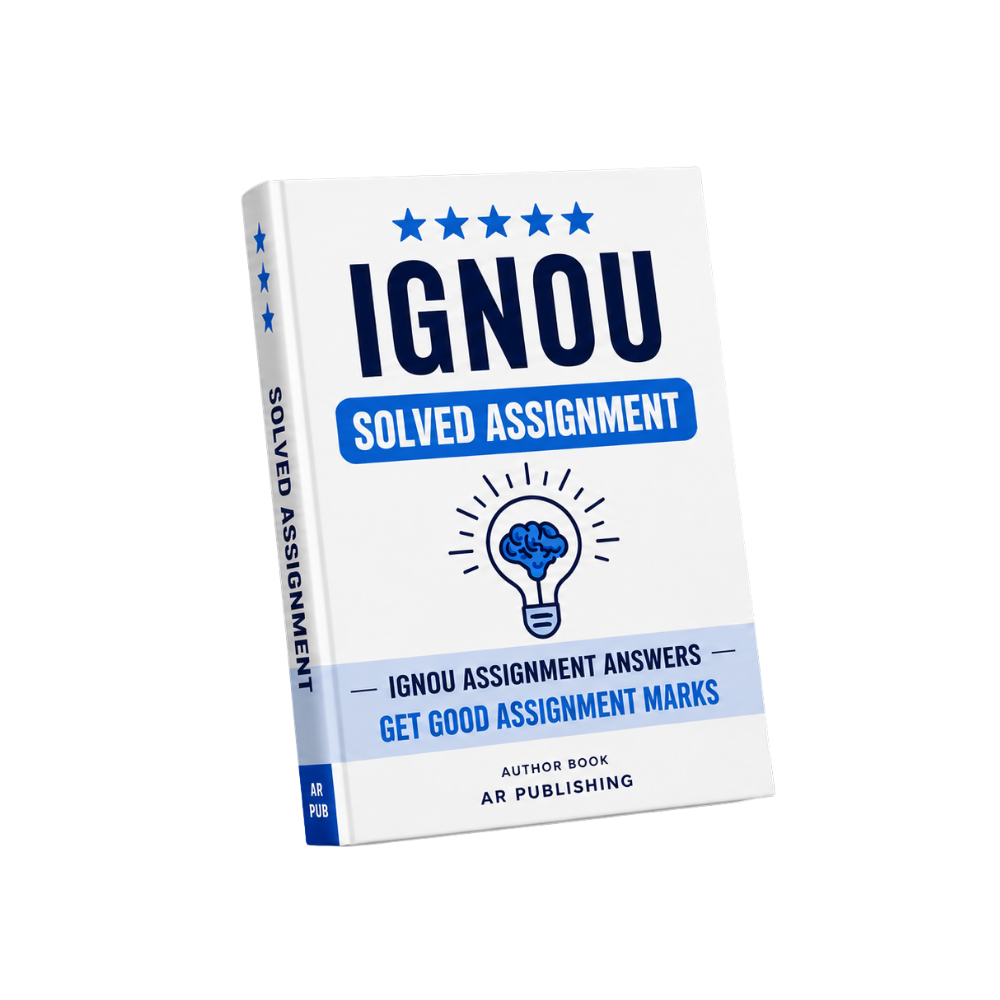
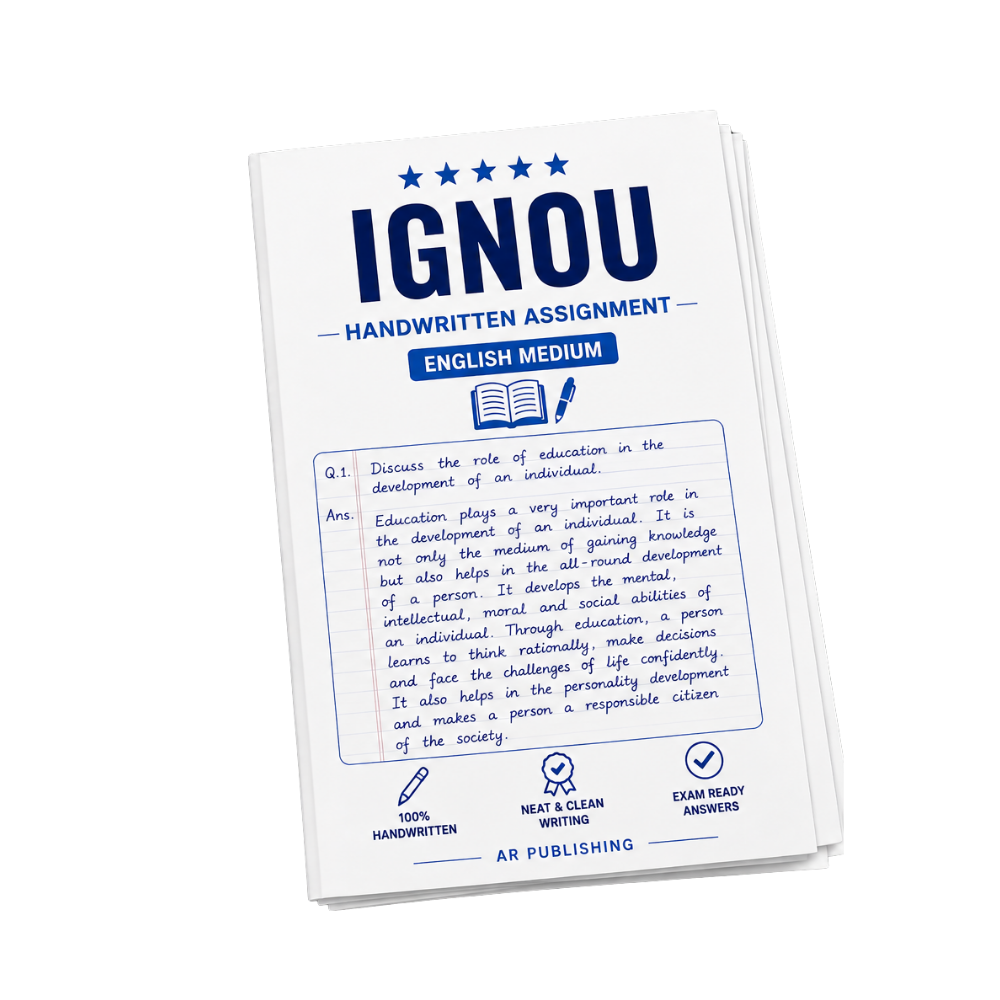
Frequently Bought Together
Popular course materials frequently ordered together
Syllabus & Overview
Course Scope and Syllabus Overview for MHI-101: Ancient and Medieval Societies
MHI-101: Ancient and Medieval Societies is a core component of IGNOU’s MAHI curriculum, designed to critically examine the socio-political, economic, and cultural transformations across global regions from antiquity to the early modern period. This course integrates archaeological evidence, historical texts, and anthropological studies to analyze power structures, technological advancements, and societal adaptations. It prepares students to evaluate primary sources, contextualize historical debates, and synthesize interdisciplinary perspectives—essential skills for understanding the foundations of modern world systems.Key Syllabus Units and Topics
- Unit 10: The Late Roman World: Explores the decline of the Western Roman Empire, Byzantine continuity, and the transition to medieval Europe, emphasizing administrative reforms, religious schisms, and cultural synthesis.
- Unit 11: The Arab World: Covers the rise of Islam, the Umayyad and Abbasid caliphates, and their impact on trade networks, legal systems, and intellectual exchanges in the medieval Islamic world.
- Unit 12: China: Analyzes dynastic cycles (Tang and Song), Confucian bureaucracies, technological innovations (e.g., gunpowder, printing), and China’s role in the Silk Road and global trade.
- Unit 19: Craft Production: Investigates guilds, artisan communities, and the socio-economic significance of textile, metalwork, and ceramic industries in medieval Europe and Asia.
- Unit 24: Transition to Modern World: Examines the breakdown of feudalism, the rise of early capitalism, and the cultural exchanges that bridged medieval and modern societies.
Frequently Asked Questions
Q: What is the marking scheme for MHI-101’s Term-End Examination (TEE), and how are internal assignments weighted?
A: The TEE carries 100 marks, with essay-type and short-answer questions testing conceptual understanding and critical analysis. Assignments (worth 30% of total marks) require evidence-based responses tied to prescribed readings; late submissions incur penalties.
Q: Which units in MHI-101 frequently feature in repeated exam questions, and how can I prioritize revision?
A: Units 10 (Late Roman World), 12 (China), and 24 (Transition to Modern World) appear consistently due to their interdisciplinary relevance. Focus on thematic connections (e.g., trade, warfare, religious syncretism) and memorize key dates linked to these blocks.
Why buy from us?
-
Verified by top professors and 99th percentile students.
-
Always updated to the latest university curriculum.
-
High-quality, printable PDF formats with clear diagrams.
License & Terms
By purchasing this item, you agree to our standard academic license terms. You may use this product for personal study, but you may not resell or redistribute the files online.