

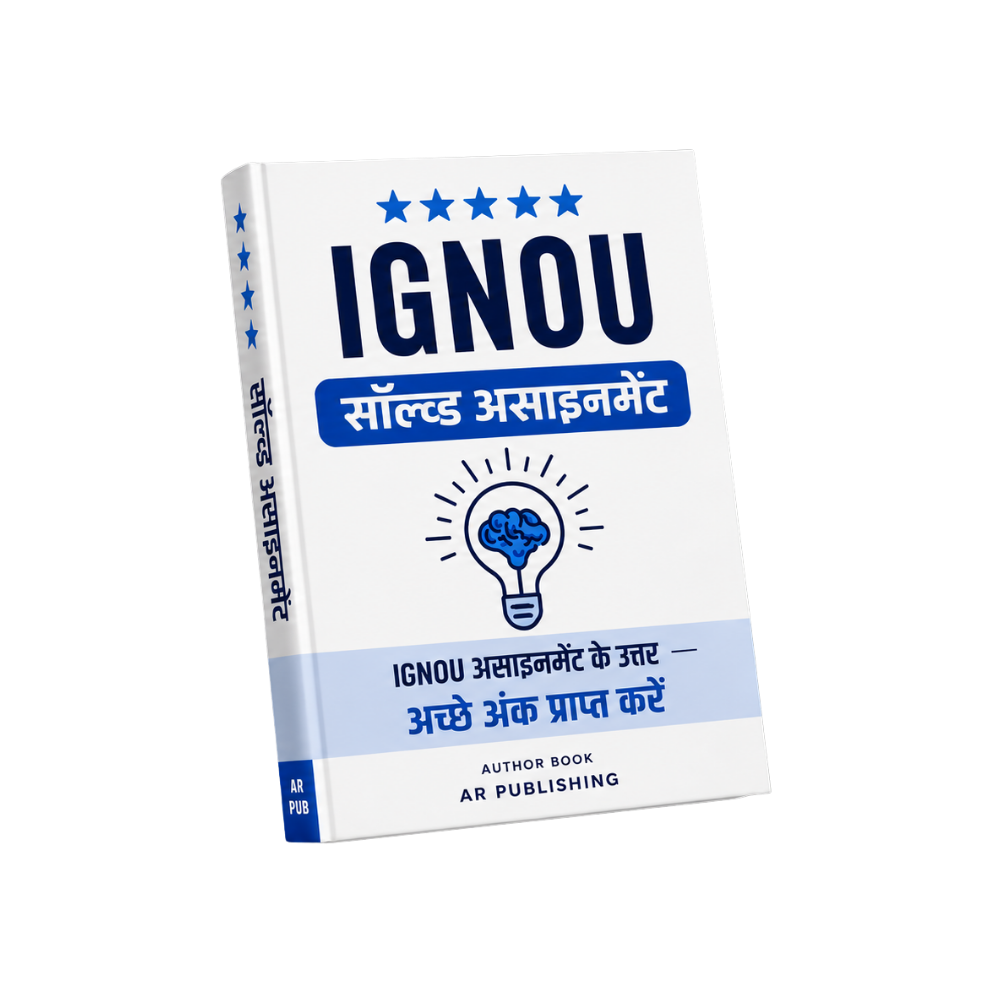
MLII-104 IGNOU Solved Assignment 2026-27
Click to view offer details & terms
Get 10% OFF Instant Discount
Apply this coupon code at checkout to claim your academic discount instantly.
- Applicable on all university study materials
- Valid for up to 8 item(s) per order
- Valid till Oct 31, 2026
Enrolled in other IGNOU subjects?
Link your Enrollment No. to auto-map all your semester courses & free question papers.
Frequently Bought Together
Popular course materials frequently ordered together
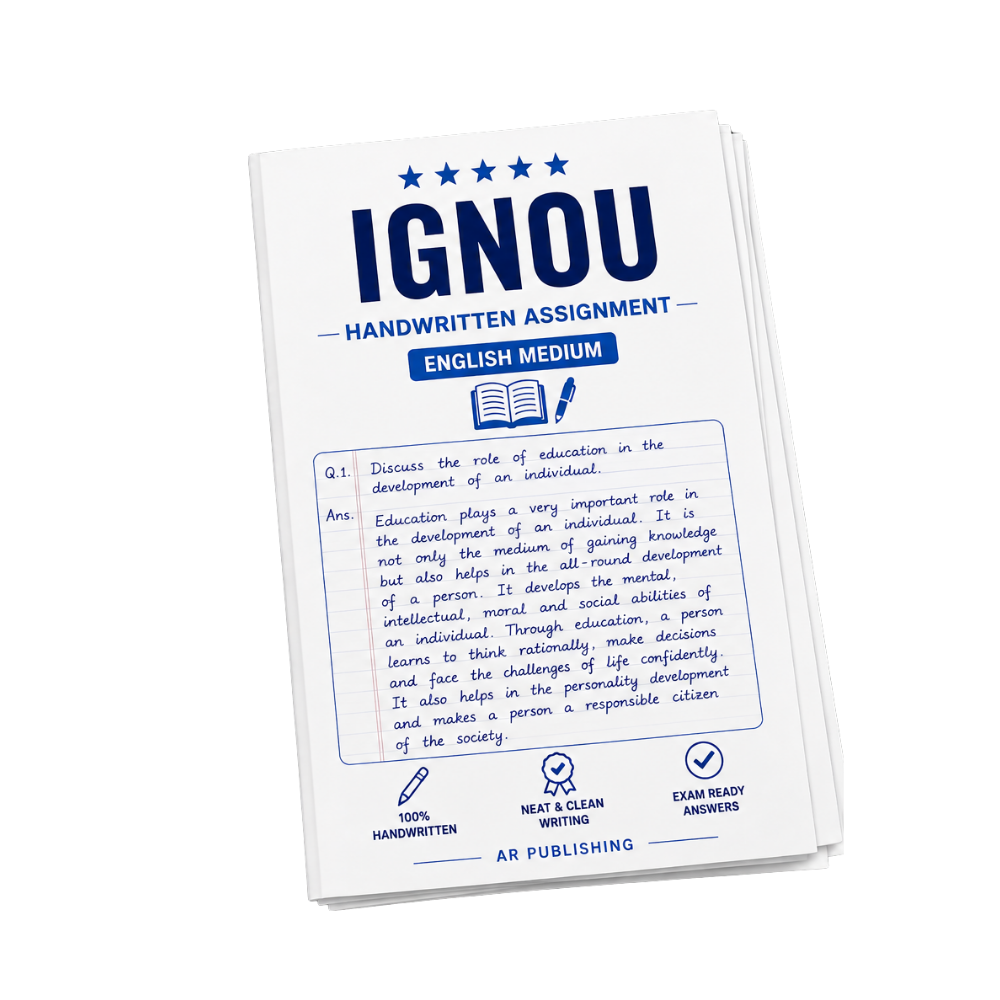


Syllabus & Overview
MLII-104 Advanced Literary Theory and Criticism A Comprehensive TMA Reference Guide
MLII-104 is a core course in IGNOU’s Master’s in Literature program, designed to deepen students’ understanding of postcolonial, feminist, and Marxist literary theories while analyzing their applications across global texts. This assignment solution resource aligns with the CBCS curriculum’s emphasis on critical discourse, equipping learners with structured responses that meet IGNOU’s evaluative benchmarks. The guide ensures adherence to prescribed word limits (e.g., 500 words for Section A’s theoretical critiques, 300 words for Section B’s case studies) and provides model answers that demonstrate nuanced engagement with primary texts like Achebe’s Things Fall Apart and Spivak’s Can the Subaltern Speak?.Core Syllabus Units and Key Topics
- Unit 1: Foundations of Literary Theory: Examines the evolution of literary theory from structuralism to post-structuralism, with focus on Barthes’ Death of the Author and Foucault’s power-knowledge paradigm. Includes comparative analysis of theoretical frameworks in Indian and Western contexts.
- Unit 3: Postcolonial Criticism and Hybridity: Explores Homi Bhabha’s theory of hybridity through case studies of Salman Rushdie’s Midnight’s Children and Arundhati Roy’s The God of Small Things, with emphasis on subaltern agency and linguistic resistance.
- Unit 5: Gender and Queer Theory in Literature: Analyzes Judith Butler’s performativity theory applied to Sarojini Sahoo’s poetry and the representation of queer identity in contemporary South Asian fiction.
- Unit 7: Marxist Literary Criticism: Critiques Louis Althusser’s ideological state apparatus through Marxist readings of Mahasweta Devi’s Drishti Purush, highlighting class and caste in rural narratives.
- Unit 9: Ecocriticism and Environmental Discourse: Evaluates Tim Ingold’s animist perspectives in ecological fiction, with practical application to Amitav Ghosh’s The Hungry Tide and its portrayal of coastal ecosystems.
Frequently Asked Questions
QHow are numerical marks allocated in MLII-104’s TMA, and what weightage does each section carry?
A The assignment is divided into two sectionsSection A (theoretical questions) carries 15 marks, while Section B (practical/application) accounts for 10 marks. IGNOU’s rubric prioritizes depth of analysis over rote memorization, so citations from prescribed texts are mandatory for full credit.
QAre there specific formatting rules for referencing primary texts in MLII-104 assignments, and how should in-text citations be handled?
A IGNOU mandates MLA 8th edition for citations, requiring page numbers for direct quotes (e.g., Spivak, “Can the Subaltern Speak?” 24). Indirect references must include the author’s name and unit number (e.g., Unit 3, p. 45). Unformatted citations deduct marks under the ‘presentation’ criterion.
Why buy from us?
-
Verified by top professors and 99th percentile students.
-
Always updated to the latest university curriculum.
-
High-quality, printable PDF formats with clear diagrams.
License & Terms
By purchasing this item, you agree to our standard academic license terms. You may use this product for personal study, but you may not resell or redistribute the files online.