

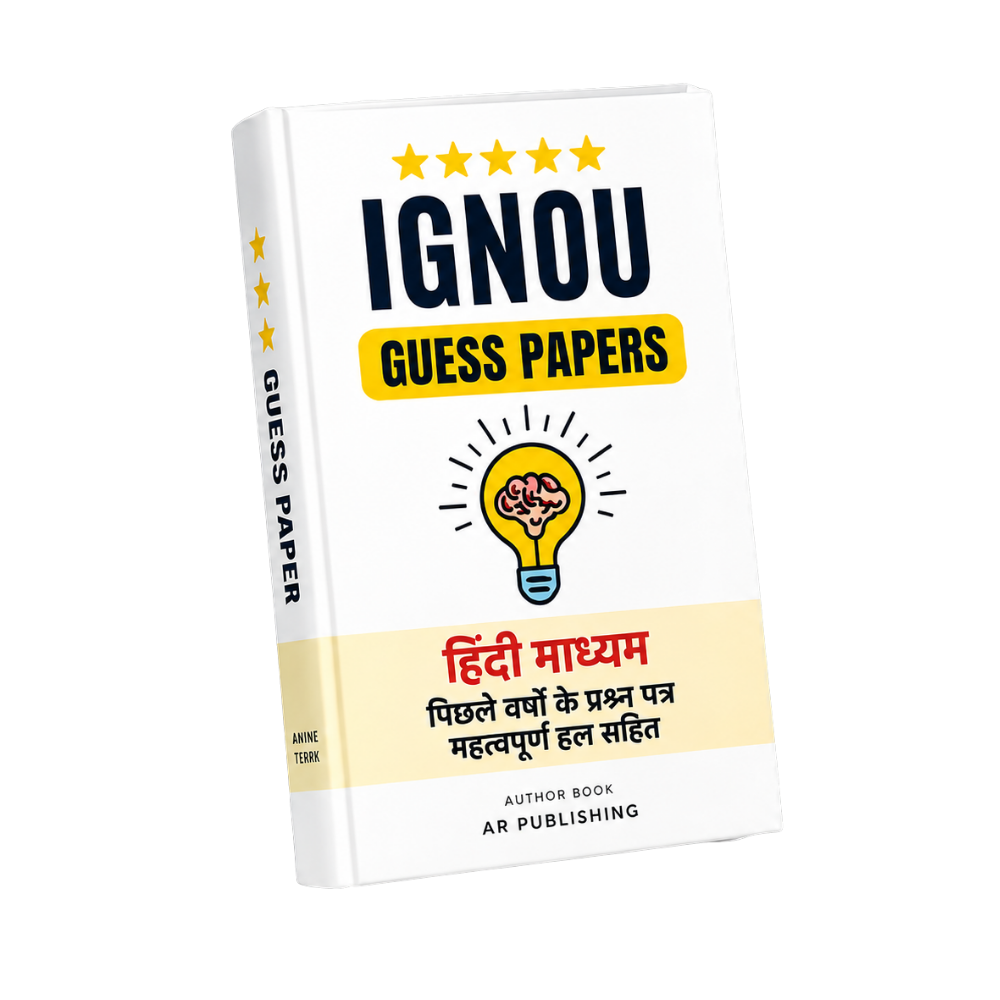
MPC-053 IGNOU Guess Paper 2026-27
Click to view offer details & terms
Get 10% OFF Instant Discount
Apply this coupon code at checkout to claim your academic discount instantly.
- Applicable on all university study materials
- Valid for up to 8 item(s) per order
- Valid till Oct 31, 2026
Enrolled in other IGNOU subjects?
Link your Enrollment No. to auto-map all your semester courses & free question papers.
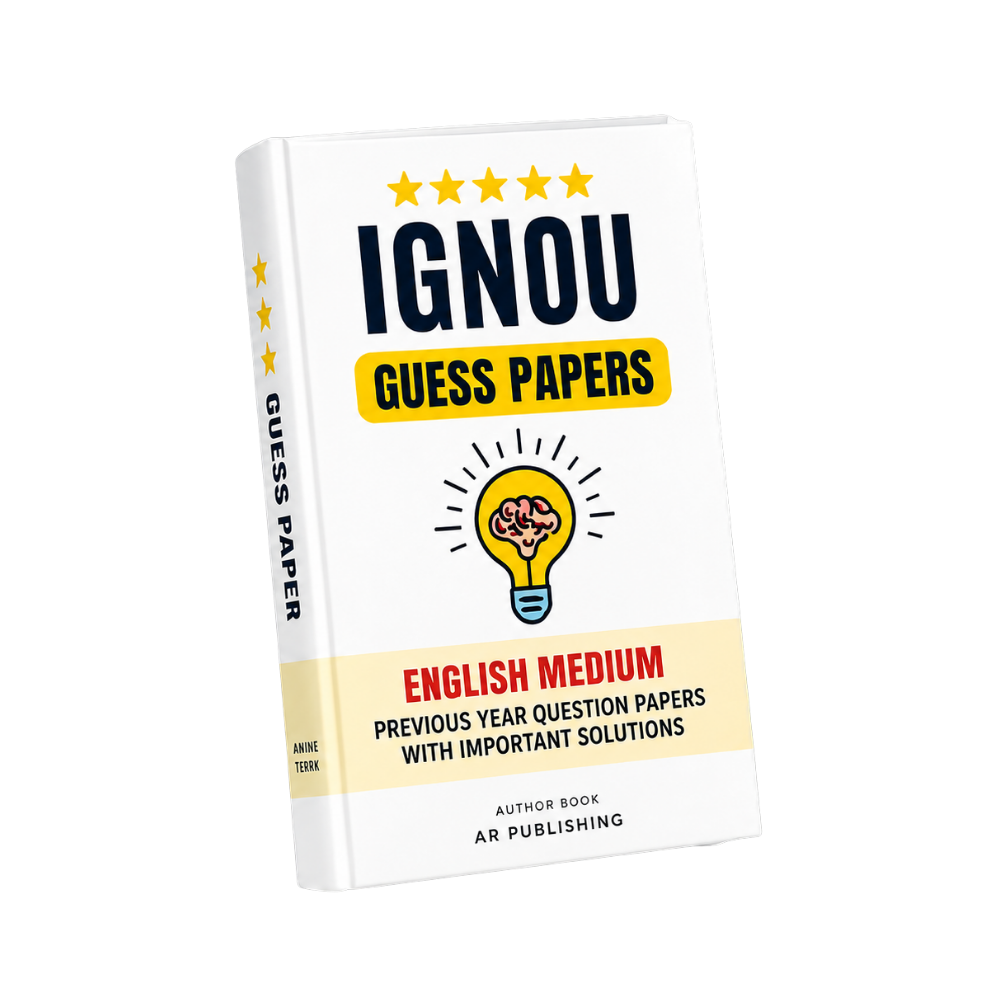
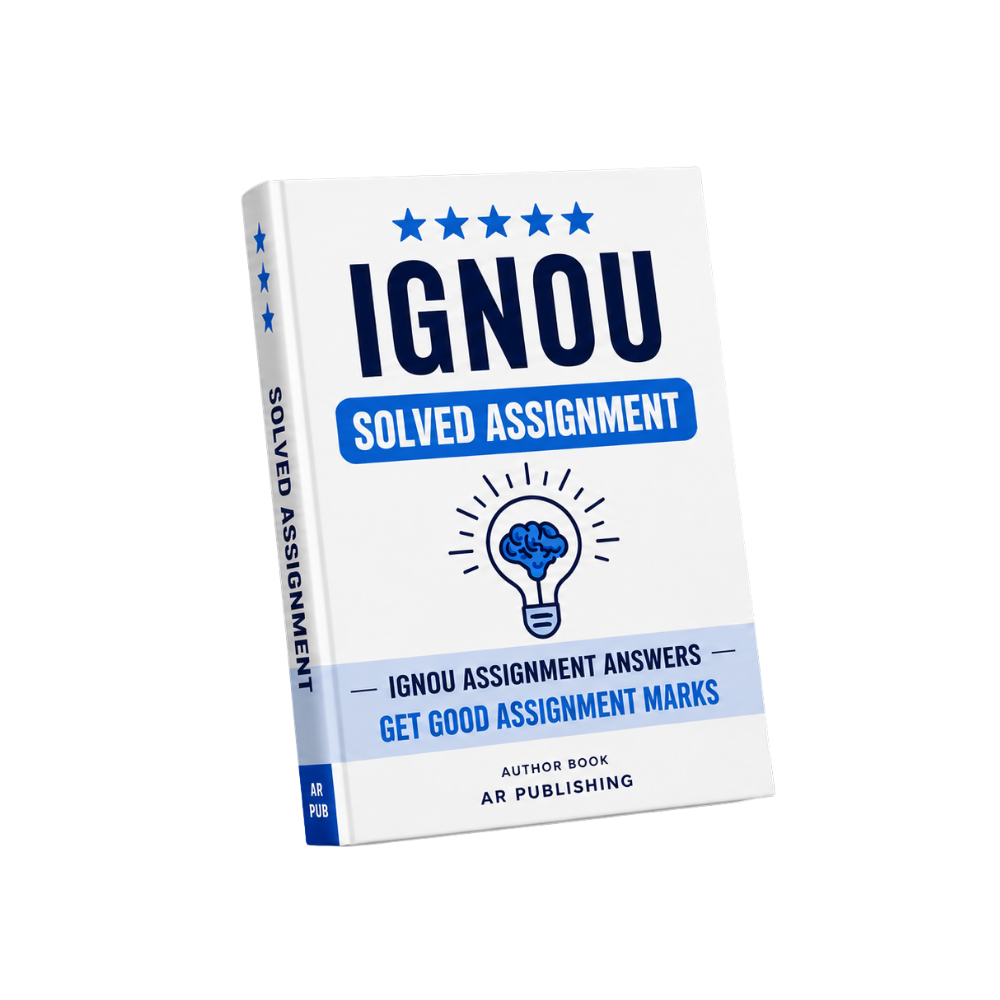
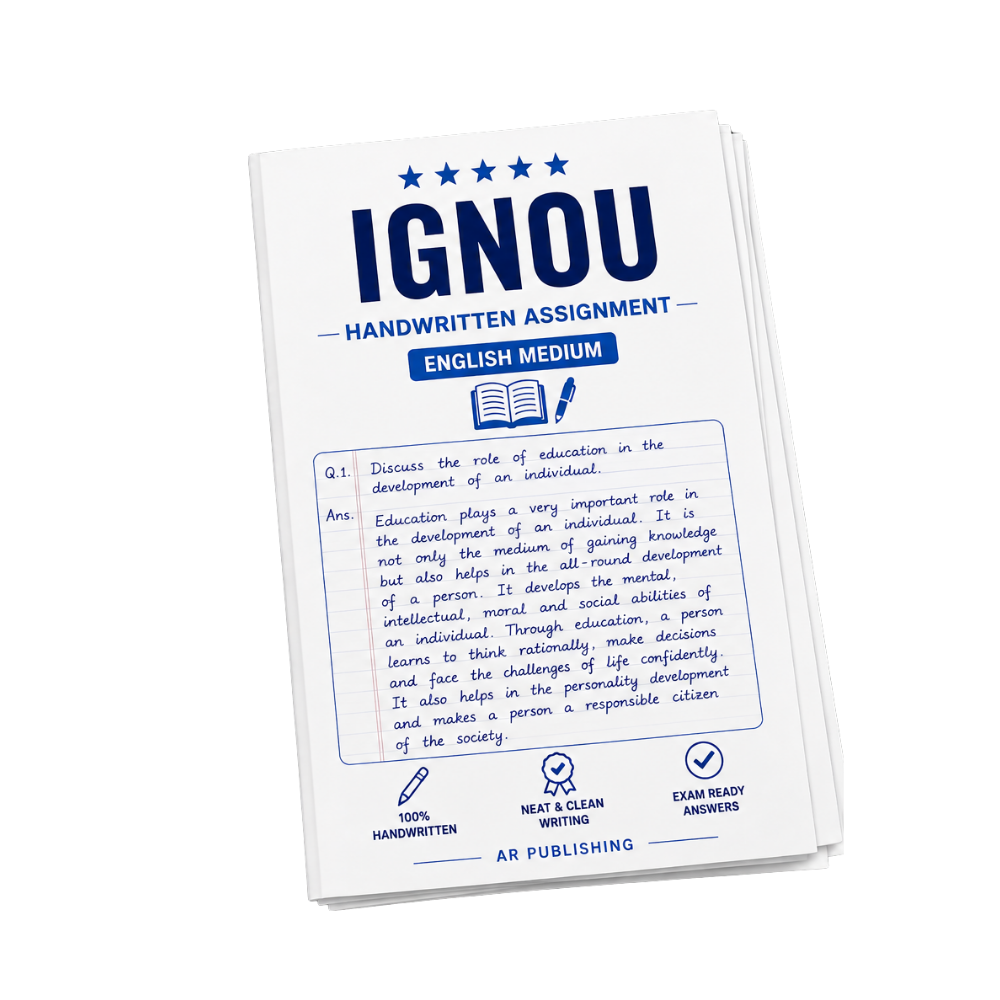
Frequently Bought Together
Popular course materials frequently ordered together
Syllabus & Overview
Course Scope & Syllabus Overview: MPC-053 Psychological Foundations of Education
IGNOU’s MPC-053 Psychological Foundations of Education is a core course under the Master’s Programme in Psychology (MPC), designed to bridge theoretical psychology with educational practice. The syllabus explores cognitive, social, and developmental theories while applying them to learning environments, teaching methods, and student assessment. This guide synthesizes key examination patterns, prioritizing high-yield topics from the CBCS curriculum—such as Piagetian and Vygotskian constructs, motivation theories, and classroom behavior management—to streamline revision for Term-End Examinations (TEE).Key Syllabus Units & Topics
- Unit 1: Introduction to Educational Psychology: Covers historical perspectives, foundational theories (e.g., Thorndike’s connectionism), and the role of psychology in shaping instructional design, with emphasis on learning as a cognitive process.
- Unit 2: Theories of Learning: Analyzes classical (Pavlov, Skinner) and operant conditioning, alongside constructivist approaches (Piaget, Bruner), including their implications for curriculum development and differentiated instruction.
- Unit 3: Motivation and Emotion in Education: Examines intrinsic/extrinsic motivation models (Deci & Ryan), achievement motivation (Atkinson), and emotional intelligence’s impact on academic performance and teacher-student relationships.
- Unit 4: Cognitive Processes and Learning: Focuses on memory structures (short-term vs. long-term), metacognition, and cognitive load theory (Sweller), with practical applications in designing effective study strategies.
- Unit 5: Social and Environmental Influences on Learning: Discusses Vygotsky’s sociocultural theory, peer collaboration, and the zone of proximal development (ZPD), alongside environmental factors like classroom climate and technology integration.
Frequently Asked Questions
Q: How are numerical questions weighted in MPC-053’s TEE, and which units are most likely to feature them?
A: Numerical questions typically account for 15–20% of marks, primarily appearing in Units 2 (learning theories) and Unit 4 (cognitive processes), where statistical applications (e.g., correlation in motivation studies) or problem-solving scenarios (e.g., memory recall experiments) are tested.
Q: What is the minimum passing percentage for MPC-053’s TEE, and how does assignment submission affect the final grade?
A: The passing threshold is 40% aggregate across TEE and assignments; assignments contribute 30% to the final grade. Prioritize solving past assignment questions (available in the course material) to ensure alignment with examiner expectations.
Why buy from us?
-
Verified by top professors and 99th percentile students.
-
Always updated to the latest university curriculum.
-
High-quality, printable PDF formats with clear diagrams.
License & Terms
By purchasing this item, you agree to our standard academic license terms. You may use this product for personal study, but you may not resell or redistribute the files online.