

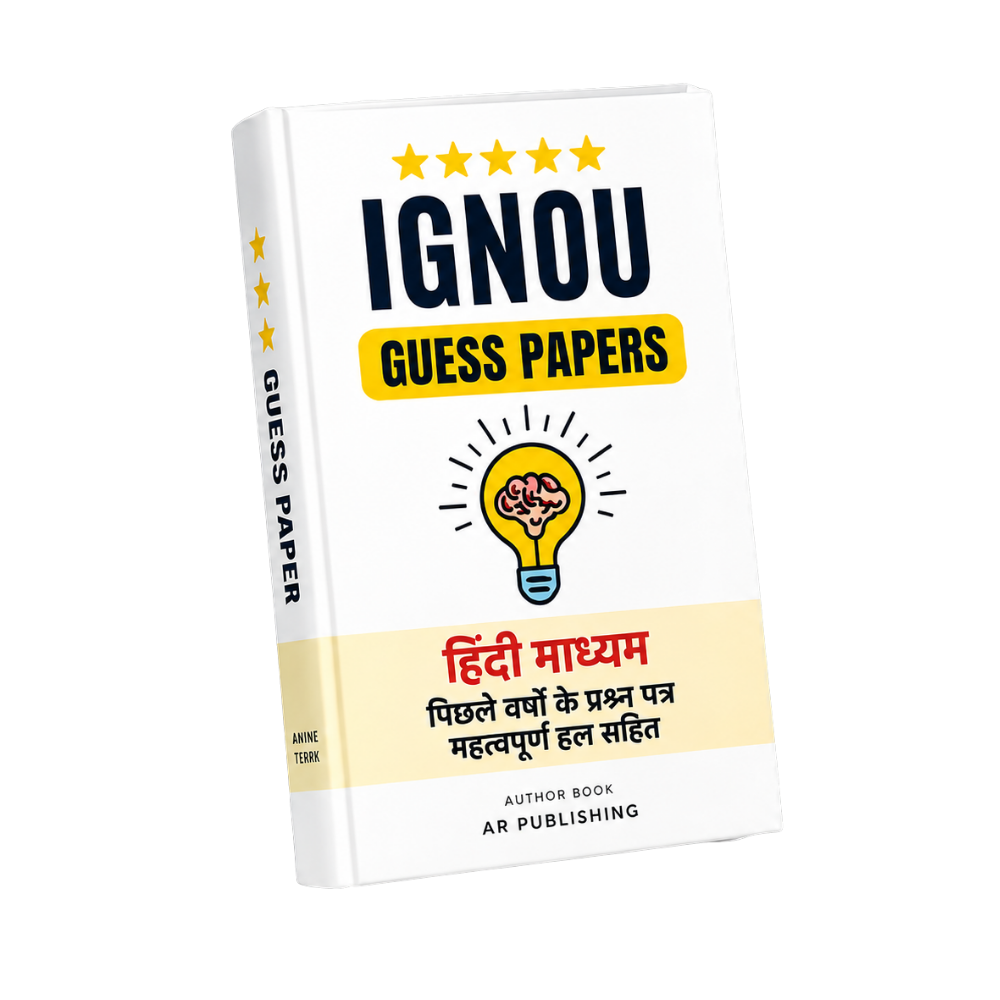
MPS-1 IGNOU Guess Paper 2026-27
Click to view offer details & terms
Get 10% OFF Instant Discount
Apply this coupon code at checkout to claim your academic discount instantly.
- Applicable on all university study materials
- Valid for up to 8 item(s) per order
- Valid till Oct 31, 2026
Enrolled in other IGNOU subjects?
Link your Enrollment No. to auto-map all your semester courses & free question papers.
Frequently Bought Together
Popular course materials frequently ordered together
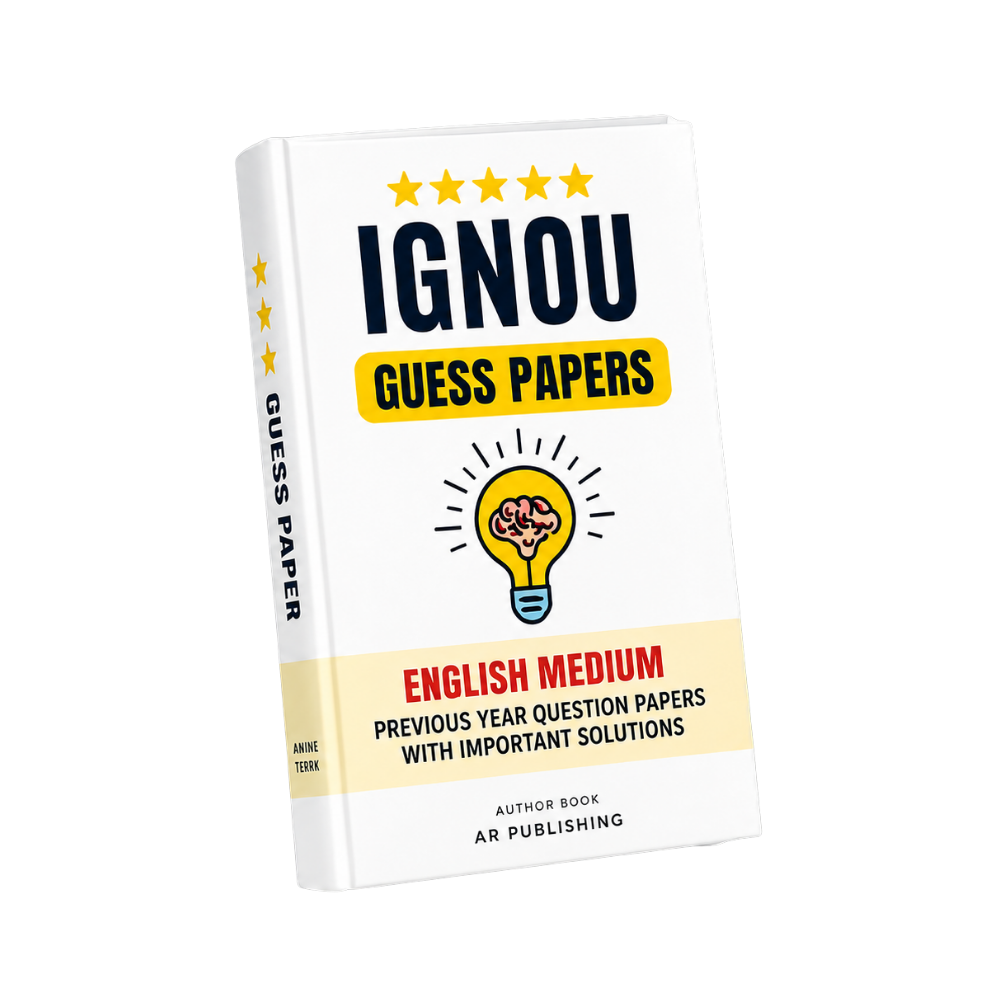
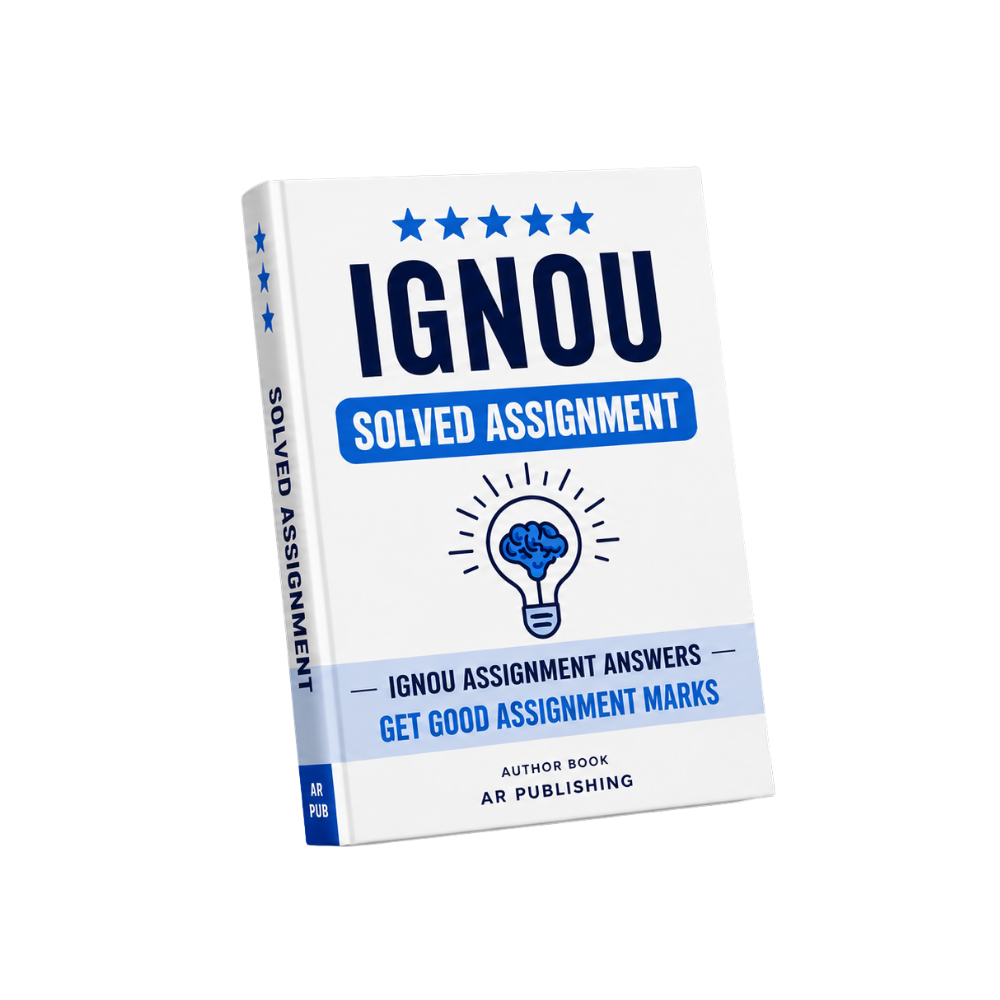
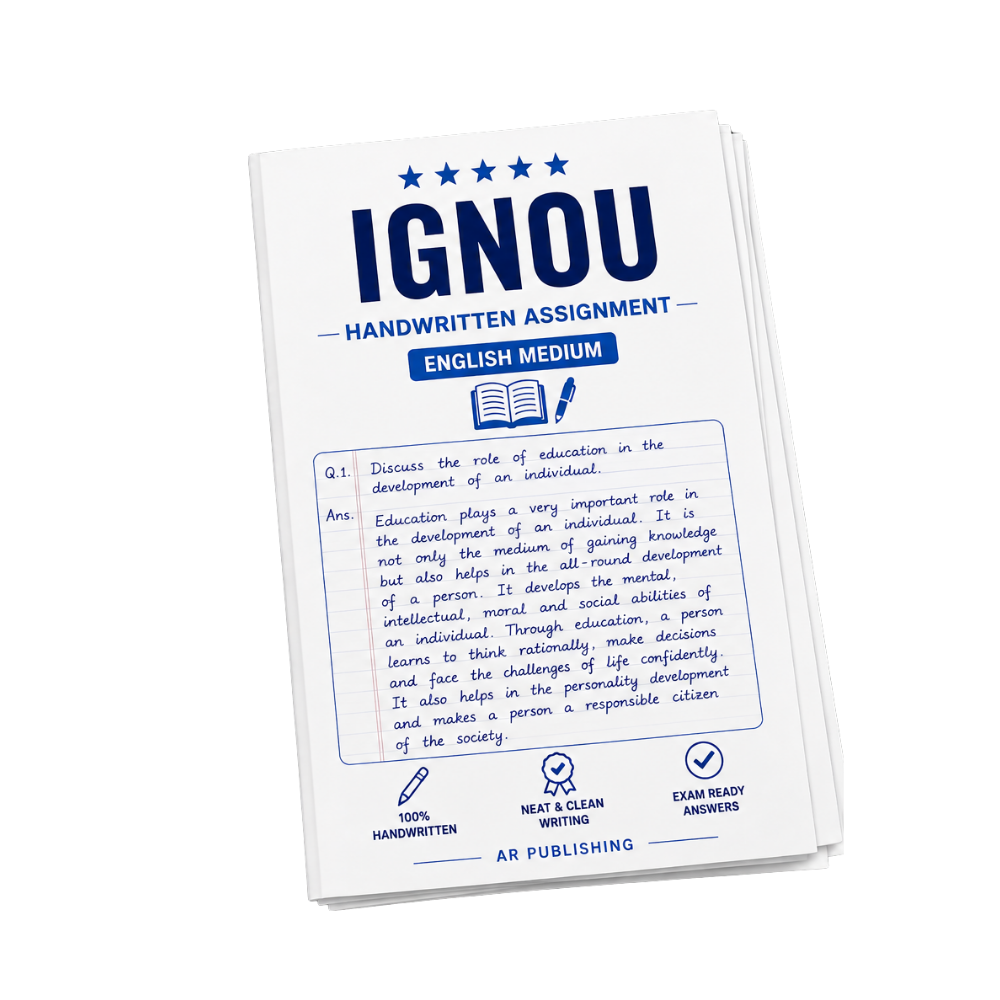
Syllabus & Overview
Exam Mastery for MPS-1: Strategic Preparation with Authentic IGNOU Question Patterns
MPS-1 (Psychology) under IGNOU’s CBCS framework introduces foundational principles of human behavior, cognitive processes, and psychological theories, aligning with the Bachelor’s Programme in Social Sciences. This course emphasizes empirical research methodologies, developmental psychology, and applied behavioral sciences, equipping students with analytical tools to interpret psychological phenomena. The study material integrates case studies, theoretical models, and practical critiques, ensuring students grasp both academic rigor and real-world applications. This guide leverages past term-end examination trends to streamline revision, focusing on high-weightage units and recurring question formats.Key Syllabus Units & Topics
- Unit 1: Introduction to Psychology: Covers historical perspectives, schools of thought (Behaviorism, Psychoanalysis, Humanism), and the scientific approach to studying human behavior, including ethical considerations in research.
- Unit 2: Sensory and Perceptual Processes: Explores sensory thresholds, perception theories (Gestalt, Bottom-up/Top-down processing), and perceptual illusions, with emphasis on cognitive mechanisms underlying sensory interpretation.
- Unit 3: Learning Theories: Analyzes classical conditioning (Pavlov, Skinner), operant conditioning, and social learning (Bandura), alongside applications in behavioral modification and educational settings.
- Unit 4: Memory and Cognition: Discusses memory models (Atkinson-Shiffrin), encoding/storage/retrieval processes, cognitive biases, and mnemonic techniques, with relevance to memory disorders.
- Unit 5: Developmental Psychology: Traces developmental stages (Piaget, Erikson) across lifespan, focusing on cognitive, social, and moral development, while critiquing normative theories.
Frequently Asked Questions
Q: How are marks distributed in MPS-1’s Term-End Examination, and which units carry the highest weightage?
A: The examination follows a 70% theory (50 marks) and 30% practical/application (20 marks) split, with Units 2 (Sensory/Perceptual Processes) and 3 (Learning Theories) historically carrying 12–15 marks each due to their empirical and applied focus.
Q: Are there specific question patterns (e.g., case studies, short answers) that repeat annually in MPS-1 exams?
A: Short-answer questions (SAQs) on key theorists (e.g., Pavlov, Piaget) and 20-mark descriptive questions on unit-specific case studies (e.g., memory experiments) appear consistently; this guide highlights these recurring formats with model answers.
Why buy from us?
-
Verified by top professors and 99th percentile students.
-
Always updated to the latest university curriculum.
-
High-quality, printable PDF formats with clear diagrams.
License & Terms
By purchasing this item, you agree to our standard academic license terms. You may use this product for personal study, but you may not resell or redistribute the files online.