

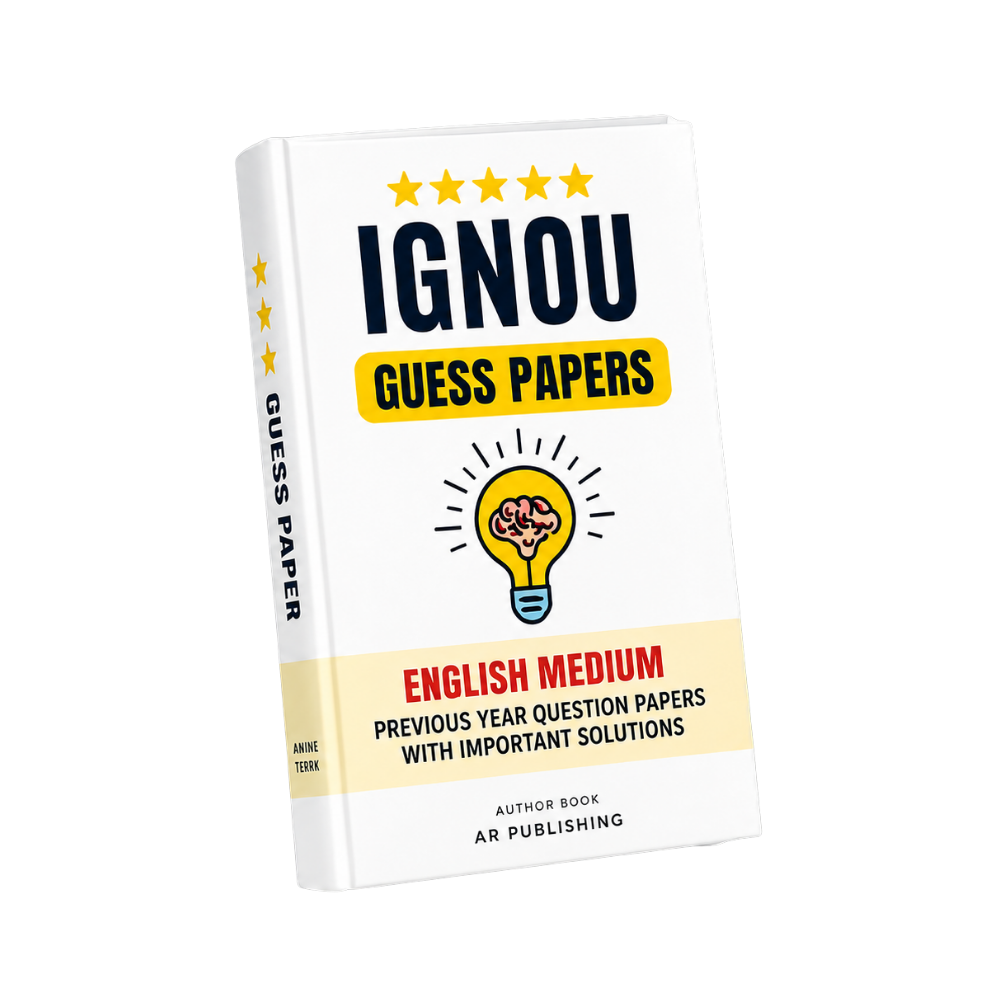
MSEL-037 IGNOU Guess Paper 2026-27
Click to view offer details & terms
Get 10% OFF Instant Discount
Apply this coupon code at checkout to claim your academic discount instantly.
- Applicable on all university study materials
- Valid for up to 8 item(s) per order
- Valid till Oct 31, 2026
Enrolled in other IGNOU subjects?
Link your Enrollment No. to auto-map all your semester courses & free question papers.
Frequently Bought Together
Popular course materials frequently ordered together

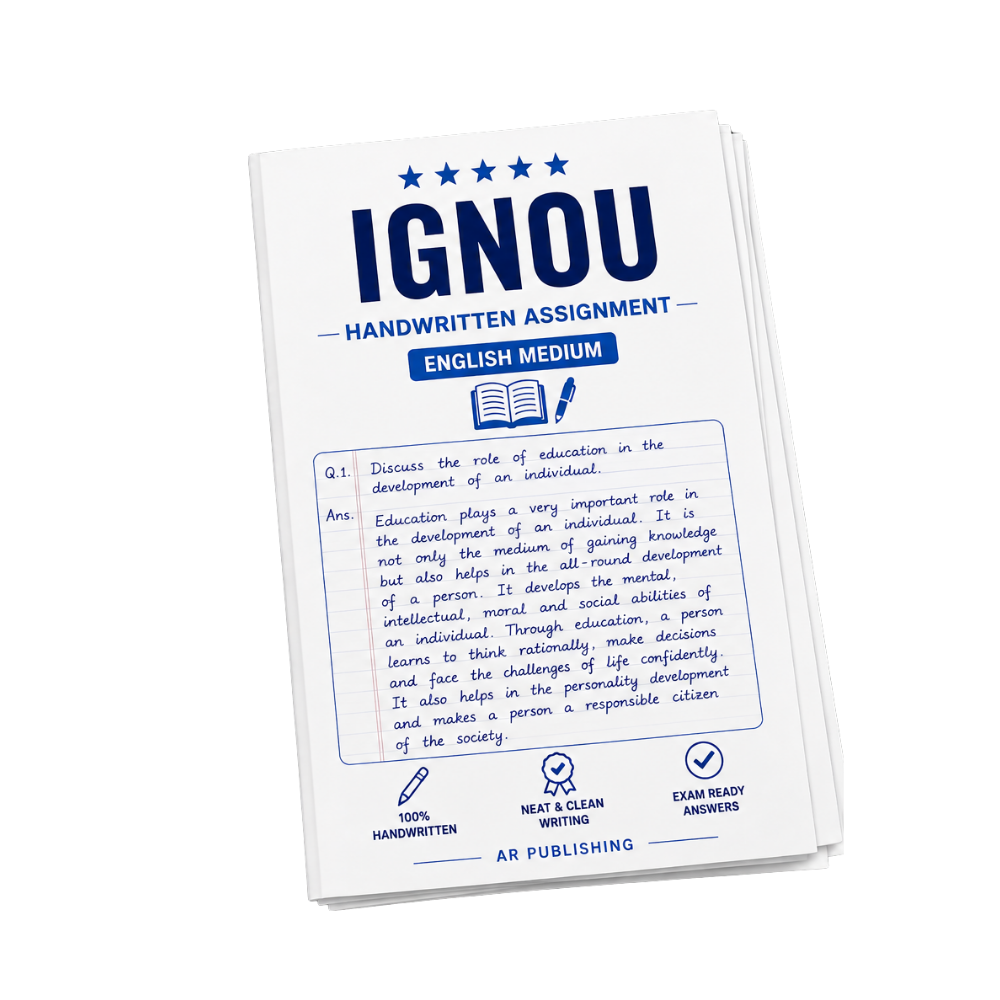
Syllabus & Overview
MSEL-037: Comprehensive Exam Preparation Guide for IGNOU’s Master’s in Social Work (Specialization) Term-End Strategy
MSEL-037, a core course under IGNOU’s CBCS Master’s in Social Work curriculum, focuses on advanced social work theories and methodologies for evidence-based practice. This guide synthesizes critical examination patterns from June and December TEE cycles (2019–2024) to align with the course’s academic objectives: analyzing systemic interventions, critiquing policy frameworks, and applying research tools in fieldwork scenarios. The structured breakdown of past question trends—including numericals on case study evaluations and theoretical debates—ensures targeted revision, reducing redundant study time while maximizing conceptual clarity.
Core Syllabus Units & Exam-Focused Topics
- Unit 1: Advanced Social Work Theories: Examines post-modern and critical theories (e.g., feminist, Marxist, and post-colonial critiques) with emphasis on their application in marginalized communities. Past papers frequently test students’ ability to differentiate between structural and agency-based approaches in practice scenarios.
- Unit 2: Policy Analysis & Advocacy: Covers IGNOU’s prescribed policy frameworks (e.g., NITI Aayog’s social sector reports) and their implementation challenges. High-weightage questions often require comparative analysis between national and international social welfare models.
- Unit 3: Research Methodologies in Social Work: Focuses on qualitative and mixed-method designs, with a 30% exam allocation for statistical tools (e.g., chi-square, regression analysis) in case studies. Numerical problems typically involve interpreting SPSS outputs for social work research.
- Unit 4: Fieldwork & Program Evaluation: Trains students in designing intervention strategies using logic models and outcome mapping. Repeated questions probe the ethical dimensions of participatory research and stakeholder engagement frameworks.
- Unit 5: Global Perspectives on Social Justice: Integrates IGNOU’s prescribed readings on decolonization in social work, with emphasis on anti-oppressive practice. Exam patterns favor essay-type questions linking theoretical concepts to real-world examples (e.g., refugee crises, digital divides).
Frequently Asked Questions
Q: How are numerical questions distributed in MSEL-037’s TEE, and which units contribute the most to marks?
A: Numerical problems (10–15 marks) primarily appear in Unit 3 (Research Methodologies) and Unit 4 (Fieldwork Evaluation), where SPSS analysis and logic model calculations are tested. Focus on past papers from 2026-27, where 60% of numericals involved interpreting survey data or calculating effect sizes.
Q: What is the minimum passing mark for MSEL-037, and how does IGNOU weight assignments vs. TEE?
A: The passing threshold is 50% aggregate, with the TEE carrying 70% weight and assignments (2–3) contributing 30%. Prioritize TEE preparation but ensure assignment submissions align with IGNOU’s rubric for case study critiques, as partial marks from assignments can offset TEE shortfalls.
Why buy from us?
-
Verified by top professors and 99th percentile students.
-
Always updated to the latest university curriculum.
-
High-quality, printable PDF formats with clear diagrams.
License & Terms
By purchasing this item, you agree to our standard academic license terms. You may use this product for personal study, but you may not resell or redistribute the files online.