

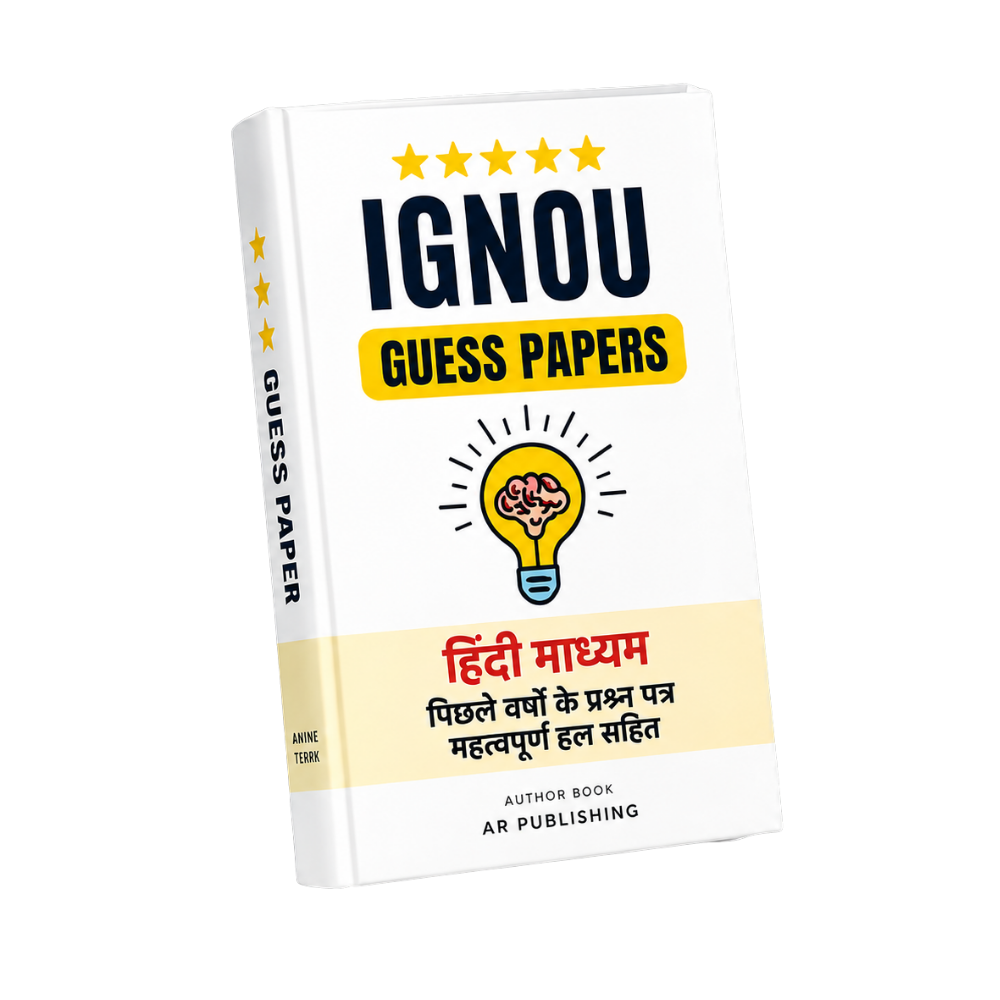
MZOE-003 IGNOU Guess Paper 2026-27
Click to view offer details & terms
Get 10% OFF Instant Discount
Apply this coupon code at checkout to claim your academic discount instantly.
- Applicable on all university study materials
- Valid for up to 8 item(s) per order
- Valid till Oct 31, 2026
Enrolled in other IGNOU subjects?
Link your Enrollment No. to auto-map all your semester courses & free question papers.
Frequently Bought Together
Popular course materials frequently ordered together
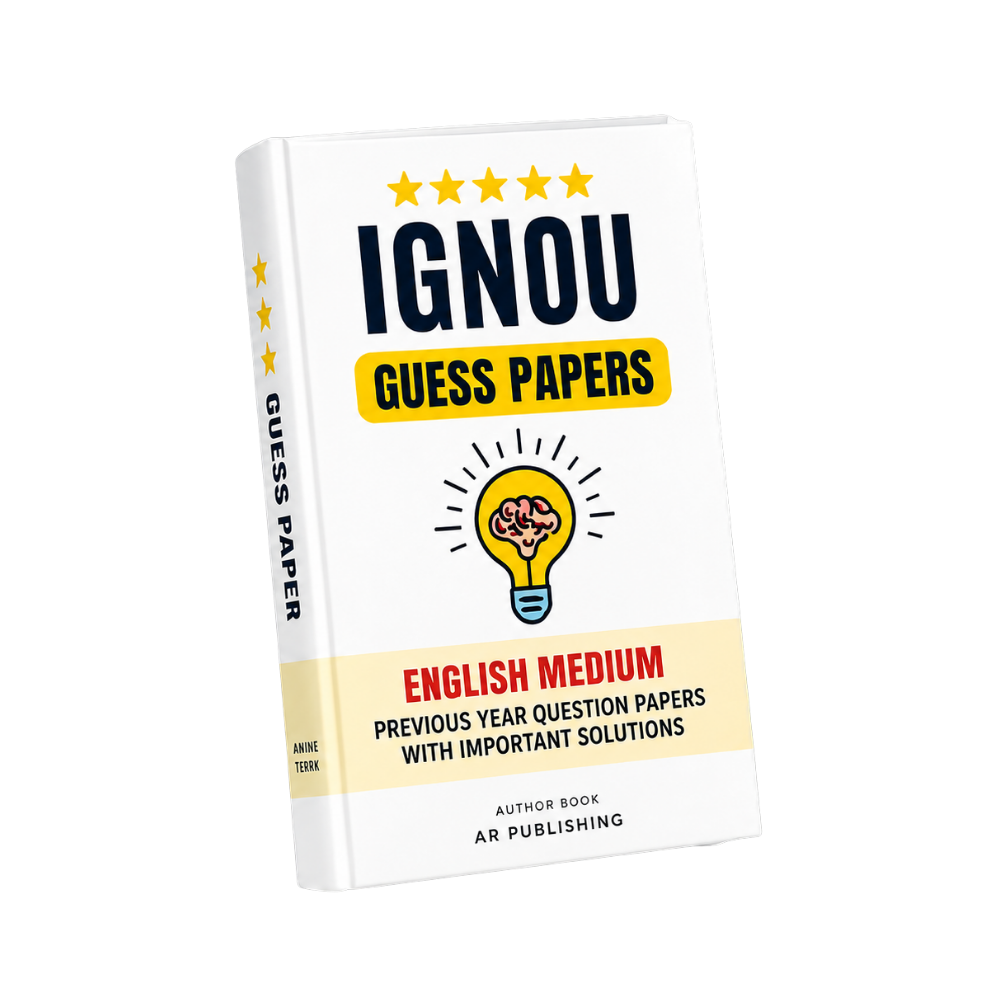
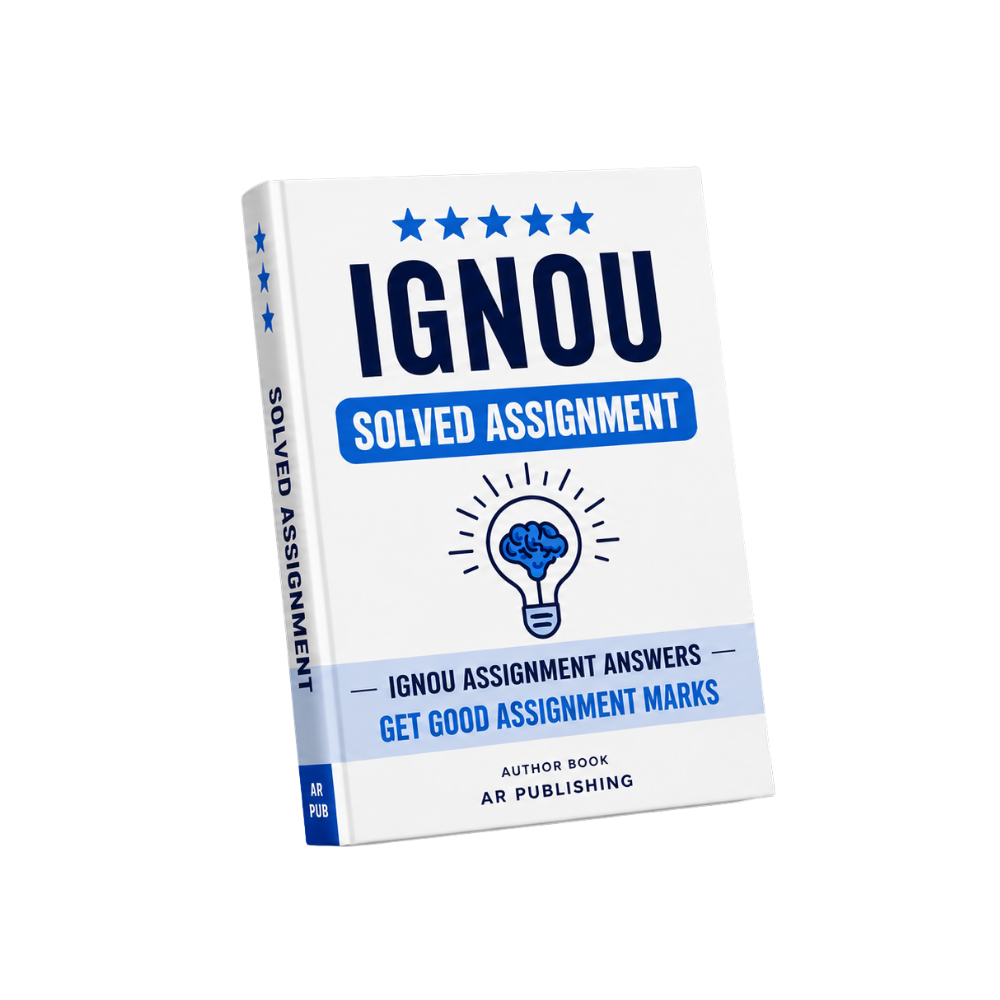
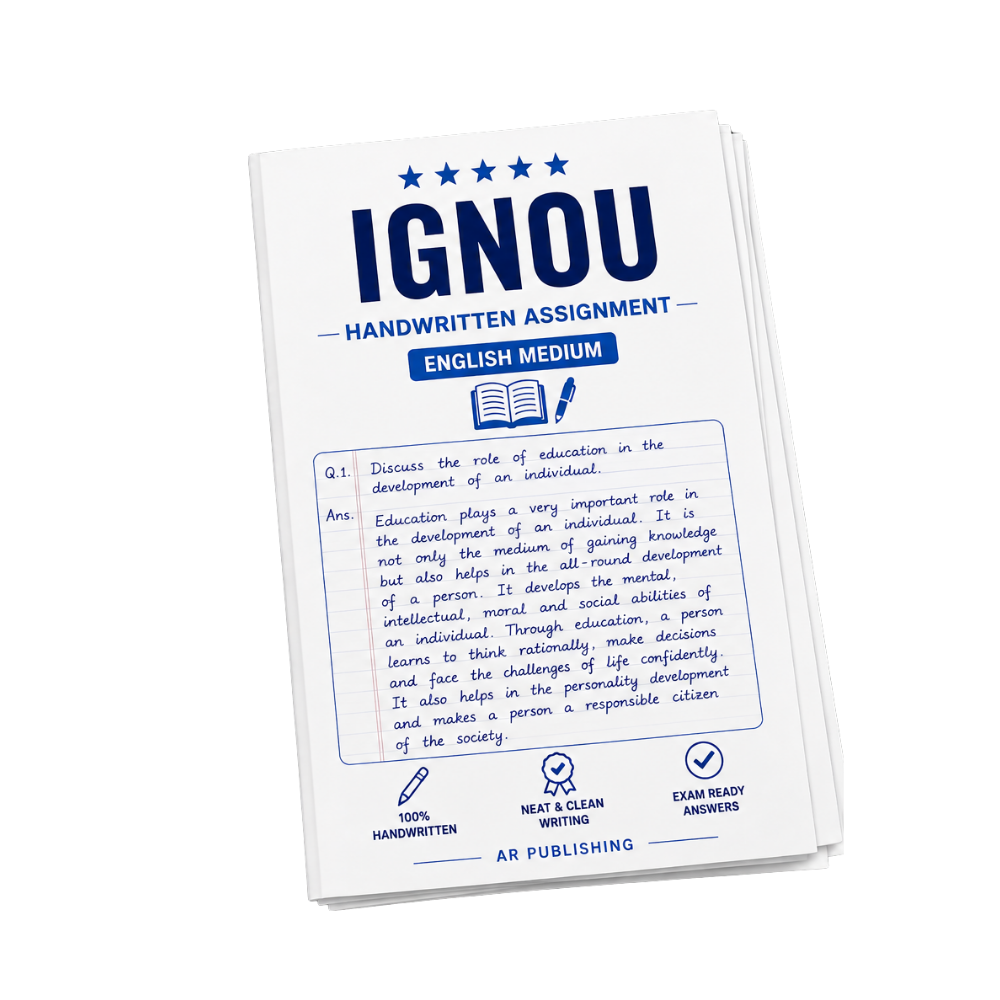
Syllabus & Overview
MZOE-003 (Aquaculture) Guess Paper (Term-End Exam Preparation)
This structured guide aligns with IGNOU’s official syllabus for MZOE-003 and targets high-yield topics from past exam patterns (5+ years). It includes chapter-wise weightage, time management strategies, and subject-specific FAQs to optimize your 3-hour exam preparation.
Key Blocks & Focus Areas
- Block-1: Aquatic Environment for Aquaculture
- Water quality parameters (pH, DO, temperature, salinity) 15-20% weightage. Focus on optimal ranges for major fish species (e.g., Labeo rohita, Catla catla).
- Solved questions: ‘Explain the role of dissolved oxygen in fish respiration with case studies.’ (June 2022).
- Practical tip: Memorize BOD/COD calculation formulas and their significance in eutrophication.
- Block-2: Aquaculture Methods and Practices
- Pond culture techniques 20-25% weightage. Compare extensive vs. intensive systems with examples (e.g., polyculture in India).
- Solved questions: ‘Describe the steps in seed production of Penaeus monodon.’ (Dec 2021).
- Common pitfalls: Avoid mixing monoculture and polyculture definitions in answers.
- Block-3: Fish Health and Nutrition
- Disease management 25-30% weightage. Focus on bacterial (Aeromonas), viral (IHNV), and parasitic (Gyrodactylus) pathogens. Prioritize preventive measures over treatments.
- Solved questions: ‘Discuss the role of probiotics in aquaculture with examples.’ (June 2023).
- Nutrition: Compare plant-based vs. animal-based feed for carnivorous vs. herbivorous species.
- Block-4: Economic and Social Aspects of Aquaculture
- Cost-benefit analysis 15-20% weightage. Calculate feed conversion ratio (FCR) and profitability for case studies (e.g., tilapia farming in Kerala).
- Solved questions: ‘Evaluate the sustainability of aquaculture in India with reference to water scarcity.’ (Dec 2020).
- Social impacts: Link community-based aquaculture to rural employment generation.
Exam Time Management (3 Hours)
- First 30 mins: Skim the entire paper; allocate 15 mins per section (Blocks 1-4). Prioritize Block-3 (Health/Nutrition) for higher marks.
- Next 1.5 hours: Answer short-answer questions (SAQs) first (max 5-6 marks each). Use diagrams for water quality graphs or disease life cycles.
- Last 1 hour: Tackle long-answer questions (LAQs) (max 15-20 marks). Structure answers with introduction case study conclusion.
Subject-Specific FAQs
- Q: How to differentiate between extensive and intensive aquaculture in answers?
A: Extensive relies on natural productivity (low input, high output variability); intensive uses artificial feeds/high stocking (high input, controlled environment). Example: Rice field aquaculture (extensive) vs. recirculating aquaculture systems (intensive).
- Q: What are the top 3 diseases affecting Penaeus monodon?
A: 1. White Spot Syndrome Virus (WSSV), 2. Vibriosis (Aeromonas), 3. Parasitic infections (e.g., Lernaea).
Why buy from us?
-
Verified by top professors and 99th percentile students.
-
Always updated to the latest university curriculum.
-
High-quality, printable PDF formats with clear diagrams.
License & Terms
By purchasing this item, you agree to our standard academic license terms. You may use this product for personal study, but you may not resell or redistribute the files online.