

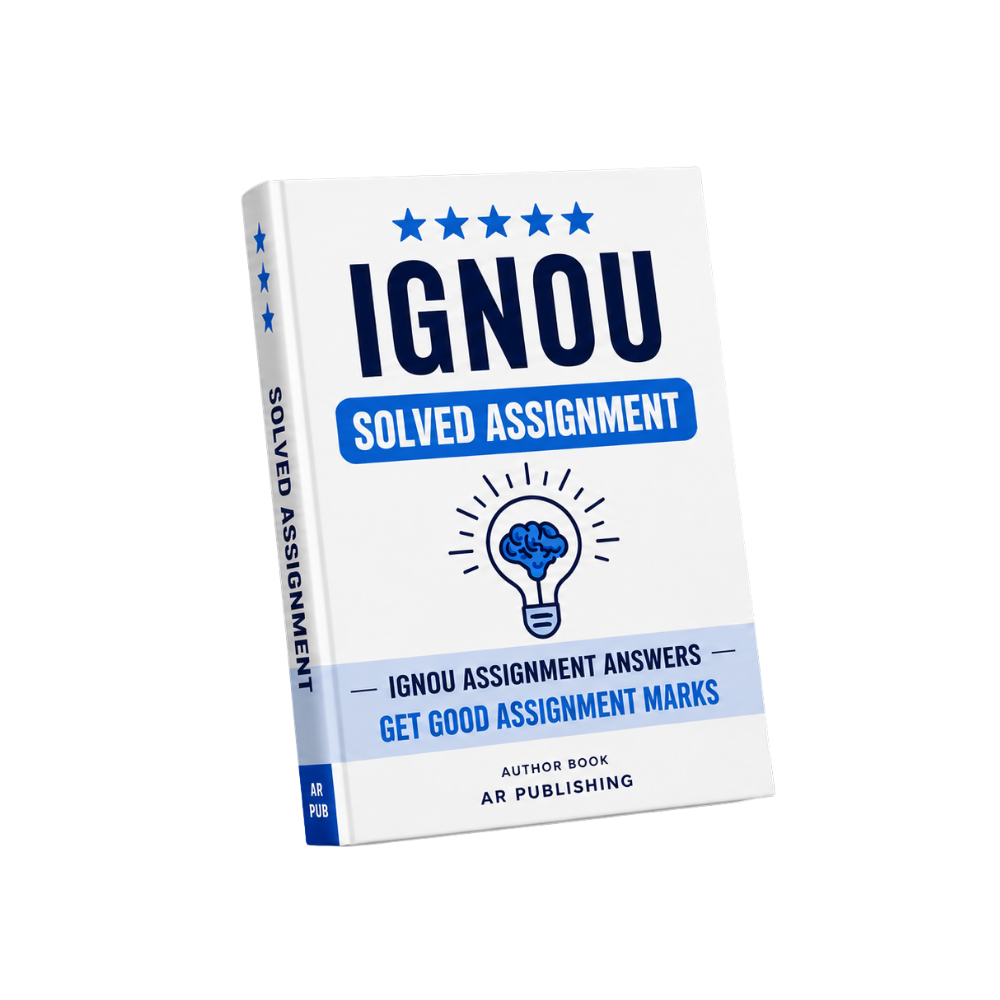
OAPI-011 IGNOU Solved Assignment 2026-27
Click to view offer details & terms
Get 10% OFF Instant Discount
Apply this coupon code at checkout to claim your academic discount instantly.
- Applicable on all university study materials
- Valid for up to 8 item(s) per order
- Valid till Oct 31, 2026
Frequently Bought Together
Popular course materials frequently ordered together
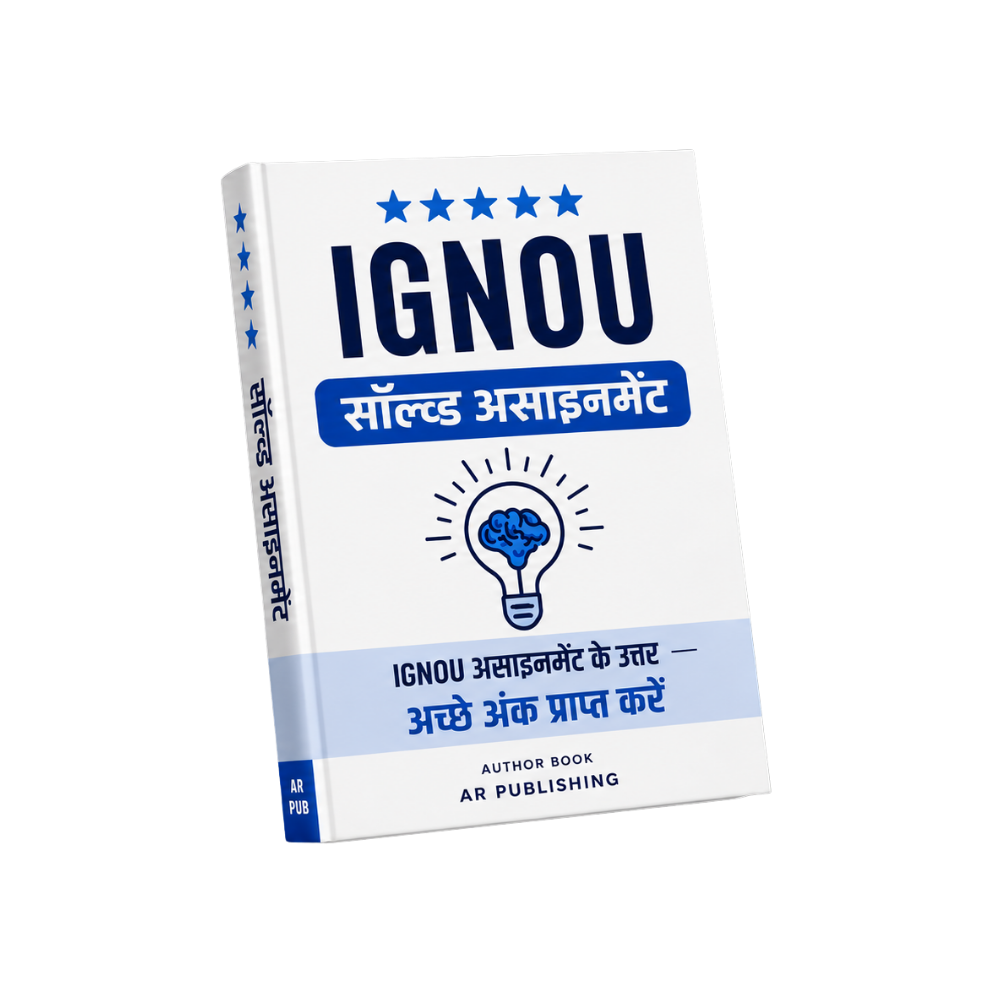
Syllabus & Overview
OAPI-011 Solved Assignment (TMA) Introduction to Beekeeping
This digital PDF solution for OAPI-011 (Introduction to Beekeeping) provides verified, plagiarism-free answers for the Tutor Marked Assignment (TMA), covering mandatory 30% course weightage. Solutions are structured per IGNOU’s official curriculum (Blocks 1–2) with strict adherence to word limits (500/250/100 words) and academic integrity standards for English/Hindi mediums.
Key Syllabus Units Covered
- Block 1: Introduction to Bees and Beekeeping
- Unit 1.1: Biology of Honey Bees Detailed answers on Apis cerana vs. Apis mellifera, caste structure (queen, worker, drone), and life cycle stages with real-world examples.
- Unit 1.2: History and Importance of Beekeeping Historical evolution, global economic impact (e.g., pollination services worth $235–$577 billion annually), and role in sustainable agriculture.
- Unit 1.3: Basic Beekeeping Equipment Step-by-step descriptions of hive types (Langstroth, Top-Bar), protective gear, and tools (e.g., smoker, hive tool) with diagrams referenced.
- Block 2: Bee Flora and Pollination
- Unit 2.1: Plant-Bee Interactions Explanation of pollination syndromes, nectar vs. pollen as bee resources, and case studies on citrus orchards and apiculture synergy.
- Unit 2.2: Bee Flora of India Regional examples (e.g., Eucalyptus in South India, Mustard in Punjab) with data on flowering seasons and beekeeping opportunities.
- Unit 2.3: Pollination Ecology Mechanisms of buzz pollination, impact of monoculture crops on bee health, and mitigation strategies (e.g., agroforestry).
Assignment-Specific Solutions
The TMA includes solved answers for:
- Short-answer questions (100–150 words): E.g.,
‘Differentiate between Apis cerana and Apis mellifera’
with tabular comparison. - Long-answer questions (500 words): E.g.,
‘Explain the role of beekeeping in sustainable agriculture with case studies from India.’
(Includes data on pollen yield and honey production). - Practical application (250 words): E.g.,
‘Design a beekeeping plan for a 5-acre farm in Rajasthan, focusing on Prosopis juliflora pollination.’
(Step-by-step with equipment list).
FAQs for OAPI-011 Students
- Q: Are diagrams allowed in the TMA?
Yes. Diagrams for hive structures or bee anatomy are permitted if labeled clearly (e.g., ‘Langstroth Hive: Front View’). Use simple line drawings or reference standard IGNOU textbooks.
- Q: How do I cite sources for case studies?
Use APA/IGNOU format (e.g., ‘FAO, 2020’ for
Global Beekeeping Trends
). Avoid direct copying; summarize data with in-text citations (e.g., ‘As per ICAR guidelines...’).
Submission Guidelines
- Word limits: 500 words (long answers), 250 words (medium), 100 words (short).
- File format: PDF (single file, named as
OAPI-011_[Student ID]_TMA.pdf
). - Deadline: Check IGNOU’s latest session calendar (typically 3–4 months from course commencement).
- Plagiarism: 0% tolerance. Use Turnitin/IGNOU’s eGyanKosh for references.
Why buy from us?
-
Verified by top professors and 99th percentile students.
-
Always updated to the latest university curriculum.
-
High-quality, printable PDF formats with clear diagrams.
License & Terms
By purchasing this item, you agree to our standard academic license terms. You may use this product for personal study, but you may not resell or redistribute the files online.