

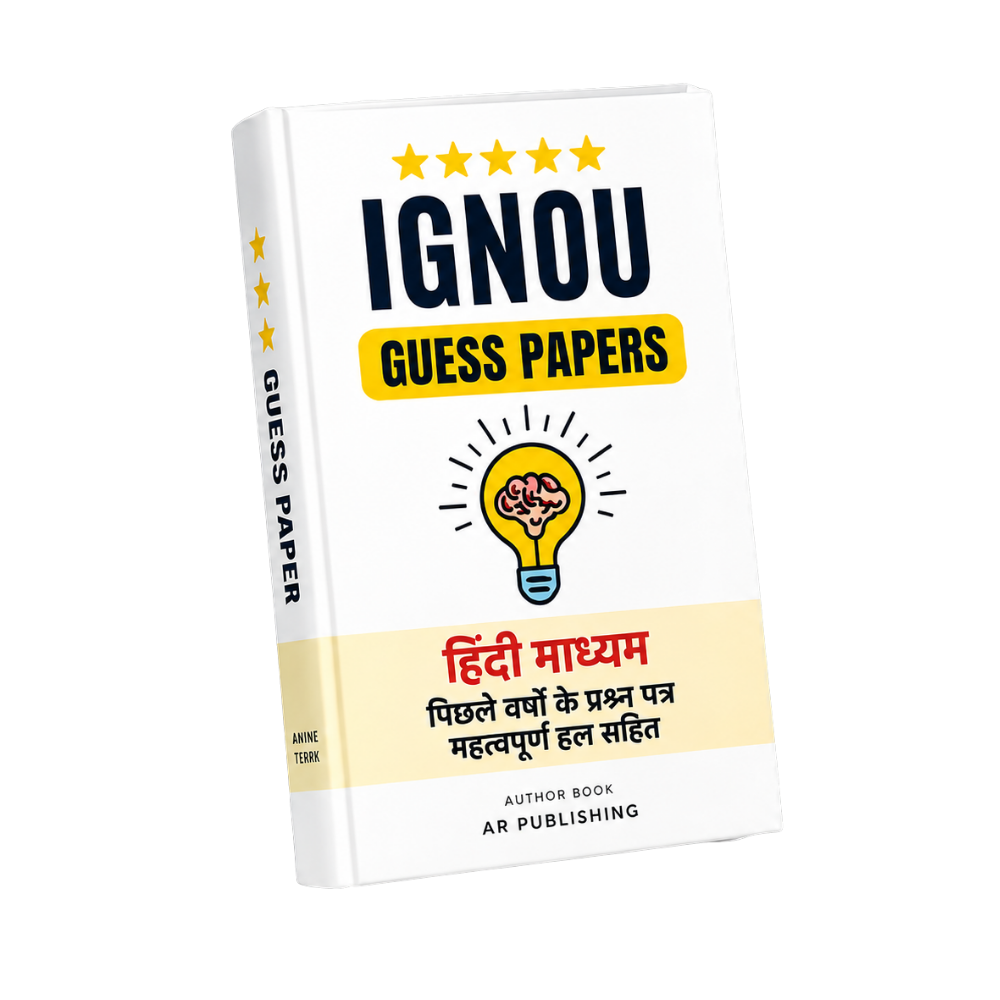
TS-4 IGNOU Guess Paper 2026-27
Click to view offer details & terms
Get 10% OFF Instant Discount
Apply this coupon code at checkout to claim your academic discount instantly.
- Applicable on all university study materials
- Valid for up to 8 item(s) per order
- Valid till Oct 31, 2026
Frequently Bought Together
Popular course materials frequently ordered together
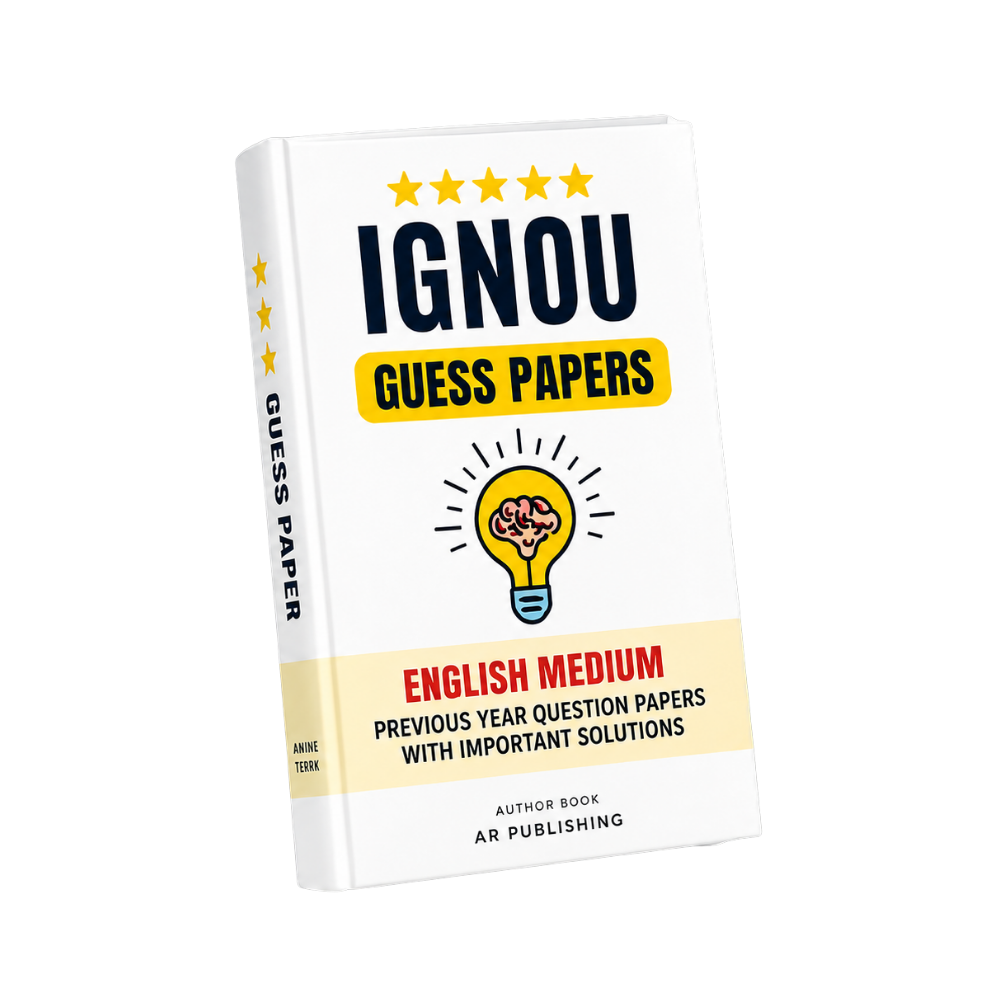
Syllabus & Overview
Course Scope & Syllabus Overview for TS-4: Theories of Social Change and Development
The IGNOU course TS-4: Theories of Social Change and Development (English/Hindi) is designed within the CBCS framework to critically examine the theoretical foundations of social transformation and developmental paradigms. This course explores the interplay between structural, cultural, and ideological factors shaping societal evolution, emphasizing both classical and contemporary perspectives. Students analyze key theories—such as modernization, dependency, and post-colonial critiques—while applying them to real-world case studies. The syllabus is structured to bridge theoretical insights with practical implications, ensuring students develop a nuanced understanding of development challenges in global and local contexts.Key Syllabus Units & Topics
- Unit 1: Introduction to Social Change: Examines definitions, dimensions, and cyclical patterns of social change, including the roles of innovation, diffusion, and conflict in societal evolution.
- Unit 2: Classical Theories of Social Change: Covers Marxist, Weberian, and Durkheimian perspectives, analyzing how class struggle, rationalization, and collective conscience drive transformation.
- Unit 3: Modernization Theory and Its Critiques: Evaluates Rostow’s stages of growth model and dependency theory (e.g., Frank, Prebisch), contrasting capitalist and socialist developmental pathways.
- Unit 4: Post-Colonial and Indigenous Perspectives: Investigates Fanon’s alienation theory, Nkrumah’s neo-colonialism, and grassroots movements as alternatives to Western developmental paradigms.
- Unit 5: Contemporary Challenges in Development: Addresses globalization, neoliberalism, and sustainable development goals, with case studies on gender, environment, and digital divides.
Frequently Asked Questions
Q: How are marks distributed in TS-4’s Term-End Examination (TEE), and what weightage does each section carry?
A: The TEE for TS-4 allocates 80% marks to written answers (divided into 50% for descriptive questions and 30% for analytical essays), with 20% reserved for short-answer sections. Prioritize mastering core theories and case studies to maximize scores.
Q: Are past year’s question papers sufficient for TEE preparation, and how can I identify high-probability questions?
A: Solving 5–10 years of TEE papers (June/December cycles) reveals recurring themes—e.g., critiques of modernization or post-colonial theories—often appearing as 15–20 mark questions. Cross-reference with chapter-wise weightage in the study material to focus on high-yield topics.
Why buy from us?
-
Verified by top professors and 99th percentile students.
-
Always updated to the latest university curriculum.
-
High-quality, printable PDF formats with clear diagrams.
License & Terms
By purchasing this item, you agree to our standard academic license terms. You may use this product for personal study, but you may not resell or redistribute the files online.