

Instant PDF
Instant 24/7 Access
CBCS Verified
2026-27 Syllabus
100% Safe Pay
UPI, Cards & NetBanking
Student Support
WhatsApp Helpdesk
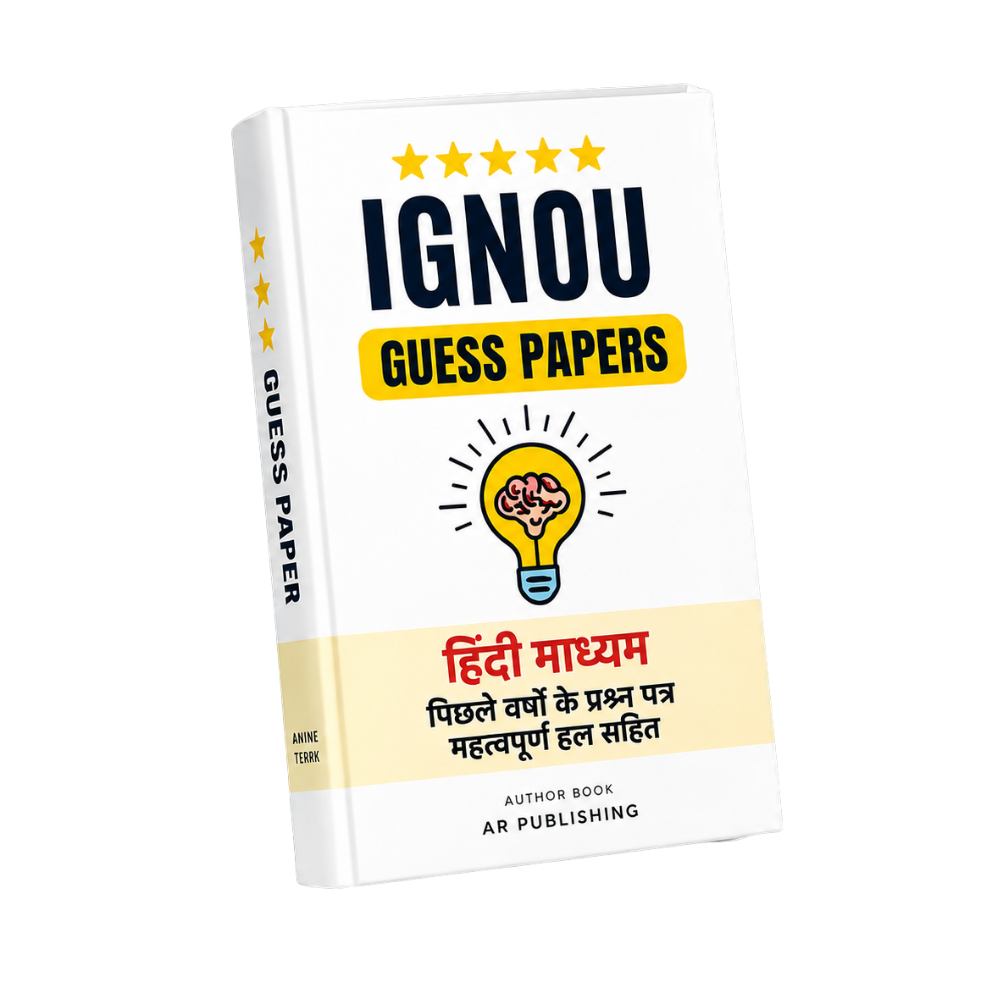
MHI-104 IGNOU Guess Paper 2026-27
Enrolled in other IGNOU subjects?
Link your Enrollment No. to auto-map your semester courses & free question papers.
Frequently Bought Together
Popular course materials frequently ordered together



Syllabus & Overview
MHI-104 Guess Paper (Term-End Exam TEE) Scoring Strategy & Syllabus Focus
The following structure aligns with IGNOU’s verified curriculum for MAHI (History) and prioritizes topics frequently tested in June/December TEE sessions. Expected question distribution: 20% short answers (20 marks), 30% medium answers (30 marks), 50% long descriptive (50 marks).
Key Syllabus Blocks & High-Weightage Topics
- -2: (7–13 . .)
- Chalukya, Rashtrakuta, and Chola dynasties administrative divisions (, ) and revenue systems (, ).
- Comparative analysis of Rajaraja I’s Chola empire vs. Prithviraj Chauhan’s Rajput kingdoms (centralization vs. feudalism).
- Solved TEE questions: ‘Explain the role of Brahmins in Chalukya administration.’ (Dec 2022, 10 marks).
- -3: (1300–1800 . .)
- Delhi Sultanate’s iqtāʿ system vs. Vijayanagara’s mandalams contrast in decentralization.
- Akbar’s mansabdari reforms: ranks (zati, sawar), revenue allocation, and military structure (focus on Akbarnama references).
- Mughal provinces (subahs): case study of Bengal under Mughals (1600–1700) land revenue (zabti vs. iqta) and zamindari system.
- -6: -I
- Mughal administrative hierarchy: diwan, qazi, wazarat functions and overlap with religious courts.
- Maratha confederacy: peshwa’s role, sardeshmukhi (land revenue), and sena (military) system (June 2021, 15 marks).
- Solved pattern: ‘Analyze how the Mughal diwan system differed from the Maratha revenue administration.’
- -5:
- East India Company’s early settlements (Surat, Masulipatam) trade monopolies vs. territorial expansion (17th century).
- Regulating Act (1773) and Pitt’s India Act (1784) shift from trade to governance (key clauses).
- FAQ: ‘Why were the Nawabs of Bengal (e.g., Siraj-ud-Daulah) more resistant to British expansion than Rajput kings?’
Answer: Nawabs controlled revenue systems (zamindari) and had standing armies; Rajputs lacked centralized revenue infrastructure post-Mughal decline.
- -8:
- Doctrine of Lapse (1848) and annexations (Satara, Jaitpur) legal vs. moral justifications (Lord Dalhousie’s policies).
- Indian Councils Act (1861) and 1892 amendments gradual legislative evolution pre-1919.
- FAQ: ‘How did the British use the “divide and rule” policy in Punjab post-1849?’
Answer: Exploited Sikh-Muslim tensions (e.g., post-Ranjit Singh era) and favored Punjabi landlords (jagirdars) over rural peasants.
Exam Time Management (3-Hour Strategy)
- First 30 mins: Skim all questions; prioritize -2/3 (medieval kingdoms) for medium/long answers (higher marks).
- Next 60 mins: Answer 2 short questions (20 marks) from -6/8 (administrative reforms/colonialism) using bullet points.
- Last 90 mins: Focus on 1 long answer (50 marks) from -3 (Mughal/Maratha) with diagrams (e.g., mansabdari table) if allowed.
- Avoid: Over-explaining -1 (early state formations) unless specified; focus on -5/8 for colonial context.
Sample Solved Question (June 2023, 15 marks)
Question: ‘Discuss the administrative innovations introduced by Raja Raja Chola I to consolidate his empire.’ Answer Outline:
- Centralized Revenue System: Standardized tirunāḷ (land survey) and kāṇikku (tax registers) to replace decentralized nāḷvar system.
- Military Reforms: Expansion of chola sena with specialized units (e.g., vīra sena for cavalry) and naval dominance (e.g., Sri Lanka campaign).
- Infrastructure: Construction of tankas (reservoirs) and kāḷs (canals) to ensure agricultural surplus for troops.
- Cultural Integration: Use of brahmadeya lands to fund temples (e.g., Brihadeeswarar), legitimizing rule via Hindu patronage.
Why buy from us?
-
Verified by top professors and 99th percentile students.
-
Always updated to the latest university curriculum.
-
High-quality, printable PDF formats with clear diagrams.
License & Terms
By purchasing this item, you agree to our standard academic license terms. You may use this product for personal study, but you may not resell or redistribute the files online.