


Instant PDF
Instant 24/7 Access
CBCS Verified
2026-27 Syllabus
100% Safe Pay
UPI, Cards & NetBanking
Student Support
WhatsApp Helpdesk
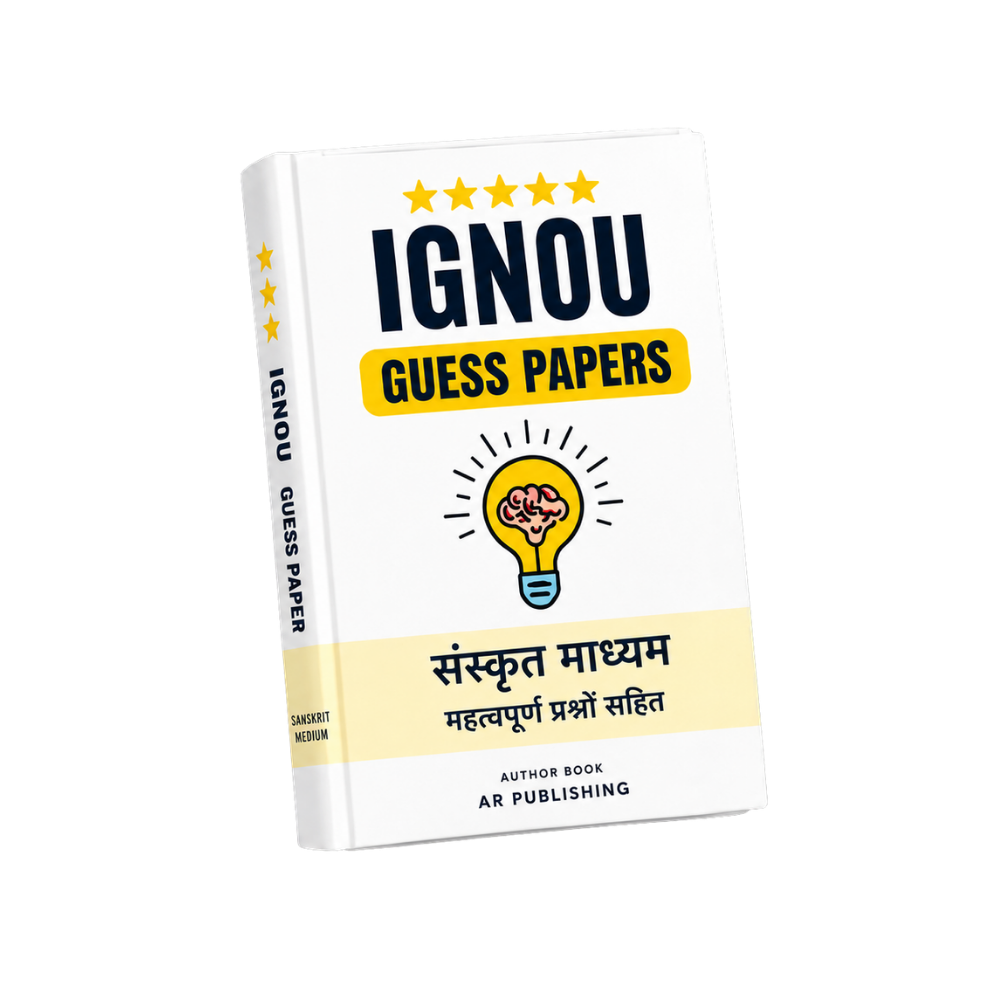
REC-103 IGNOU Guess Paper 2026-27
Enrolled in other IGNOU subjects?
Link your Enrollment No. to auto-map your semester courses & free question papers.
Frequently Bought Together
Popular course materials frequently ordered together
Syllabus & Overview
Course Scope & Syllabus Overview for REC-103: Course Code REC-103
REC-103: Course Code REC-103, a core component of IGNOU’s CBCS curriculum, focuses on foundational principles of Recreation and Leisure Studies, blending theoretical frameworks with practical applications. This course equips students with an understanding of leisure dynamics, recreation management, and community engagement strategies. It aligns with IGNOU’s academic objectives by fostering critical analysis of recreational trends, policy frameworks, and the role of leisure in holistic well-being. The study material is meticulously designed to mirror the examination blueprint, ensuring students grasp key concepts—such as the sociology of leisure, resource management, and inclusive recreation—while preparing for Term-End Examinations (TEE) with precision.Key Syllabus Units & Topics
- Unit 1: Foundations of Recreation and Leisure: Explores the historical evolution of recreation, its philosophical underpinnings, and the distinction between leisure and work. Covers theories like the "Leisure as Freedom" model and the impact of societal changes on recreational behaviors.
- Unit 2: Sociology of Leisure and Recreation: Analyzes leisure as a social construct, examining gender, class, and cultural influences on recreational participation. Discusses marginalization in leisure spaces and strategies for equitable access.
- Unit 3: Recreation Management and Planning: Introduces principles of resource allocation, facility management, and community-based recreation programs. Focuses on sustainable practices and policy implementation in public and private sectors.
- Unit 4: Therapeutic Recreation and Well-being: Examines the role of recreation in mental health, physical therapy, and social reintegration. Covers models like the "Wellness Model" and evidence-based interventions.
- Unit 5: Contemporary Issues in Recreation: Addresses emerging challenges such as digital leisure, environmental sustainability, and globalization’s impact on recreational trends. Encourages critical evaluation of modern leisure industries.
Frequently Asked Questions
Q: What is the marking scheme for REC-103’s Term-End Examination (TEE), and how are internal assessments weighted?
A: The REC-103 TEE carries 100 marks, divided into objective (20%) and subjective (80%) sections. Internal assignments (e.g., assignments and tutorials) contribute 20% to the final grade, while the TEE accounts for the remaining 80%. Focus on mastering both theoretical and applied questions to optimize scoring.
Q: Are there recurring questions in REC-103 exams, and how can students prioritize revision based on past papers?
A: Yes, approximately 30–40% of questions in REC-103 repeat annually, particularly from Units 1, 3, and 5. Prioritize these units by analyzing 5–10 years of solved TEE papers included in this guide, which highlight high-weightage topics and common exam patterns for efficient revision.
Why buy from us?
-
Verified by top professors and 99th percentile students.
-
Always updated to the latest university curriculum.
-
High-quality, printable PDF formats with clear diagrams.
License & Terms
By purchasing this item, you agree to our standard academic license terms. You may use this product for personal study, but you may not resell or redistribute the files online.