


Instant PDF
Instant 24/7 Access
CBCS Verified
2026-27 Syllabus
100% Safe Pay
UPI, Cards & NetBanking
Student Support
WhatsApp Helpdesk
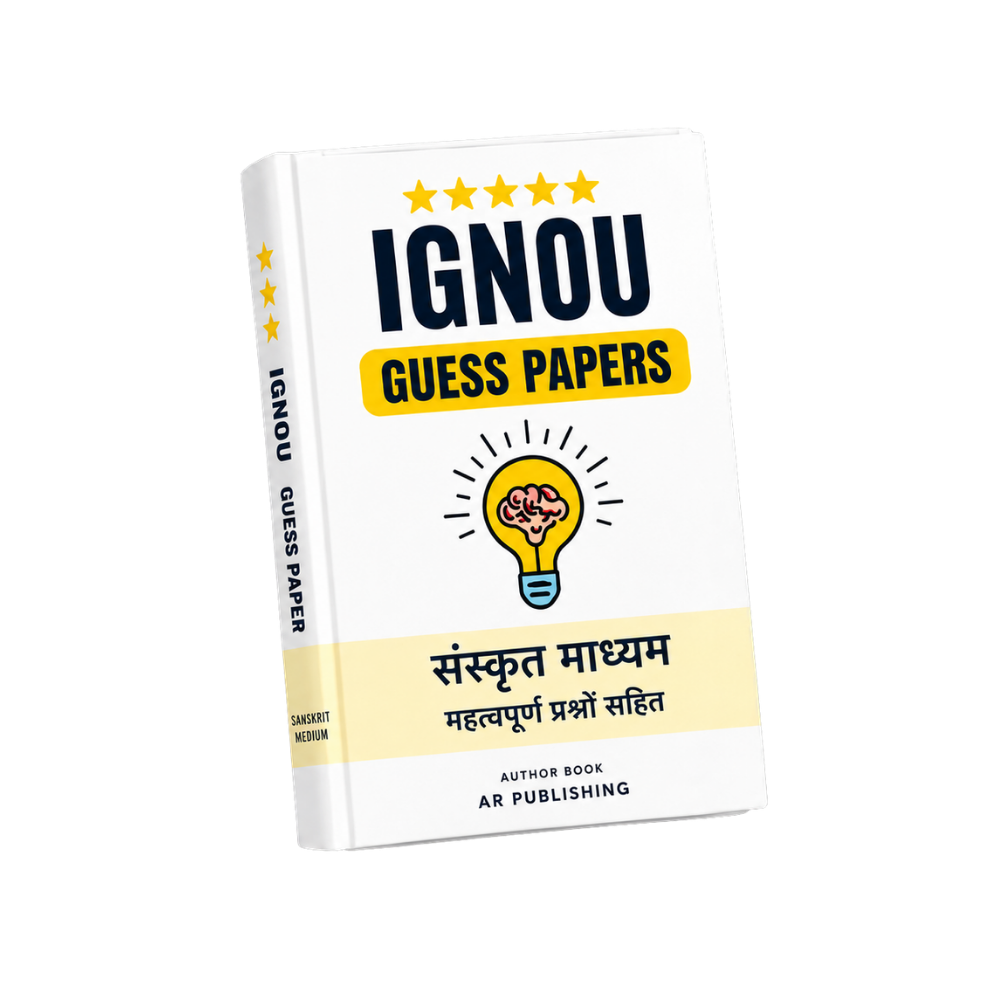
RLSE-106 IGNOU Guess Paper 2026-27
Enrolled in other IGNOU subjects?
Link your Enrollment No. to auto-map your semester courses & free question papers.
Frequently Bought Together
Popular course materials frequently ordered together
Syllabus & Overview
RLSE-106 Guess Paper 2026-27: Term-End Exam (TEE) Preparation Guide
This structured guess paper aligns with the official IGNOU syllabus for RLSE-106 (Course Code RLSE-106) and leverages trends from the last 5–10 years of term-end exams (June & December sessions). Below are key units, question patterns, and strategic tips for optimal preparation.
Core Syllabus Blocks Covered
The following units are drawn directly from the IGNOU Academic Coursework for RLSE-106:
- Unit 1: Introduction to Regional Literature Studies Focus on theoretical frameworks, regional literature as a discipline, and comparative approaches. Expected questions: Define regional literature; compare IGNOU’s approach with other academic institutions.
- Unit 2: Historical and Cultural Contexts of Regional Literature Emphasis on socio-political influences, colonial impact, and regional identity. Expected questions: Analyze the role of colonialism in shaping regional literary traditions; discuss case studies from North/East/South India.
- Unit 3: Literary Movements and Trends in Regional Languages Key movements (e.g., Progressive Writers’ Movement, Dalit literature, feminist writing). Expected questions: Compare Progressive Writers’ Movement with contemporary regional literary trends; evaluate feminist contributions in regional literature.
- Unit 4: Comparative Analysis of Regional and National Literatures Contrast regional narratives with pan-Indian literary themes. Expected questions: How does regional literature challenge national literary canons? Discuss with examples.
- Unit 5: Contemporary Issues in Regional Literature Studies Digital media’s impact, globalization, and regional language preservation. Expected questions: Assess the role of digital platforms in regional literature dissemination; debate the future of regional languages in a globalized world.
Exam Pattern & Question Weightage
Chapter-wise Distribution (Approximate):
- Unit 1 & 2: 25–30% (Theoretical foundations, historical context)
- Unit 3: 20–25% (Literary movements, case studies)
- Unit 4 & 5: 30–35% (Comparative analysis, contemporary issues)
- Short Answer Questions (SAQs): 10 marks each (2–3 questions from any unit)
- Long Answer Questions (LAQs): 20 marks each (1–2 questions from higher-weightage units)
- Objective-Type Questions (OTQs): 10 marks (20 MCQs/assertion-reason type)
Time Management Tips for 3-Hour Exam
- Allocate 40 minutes for OTQs (20 MCQs) to avoid rushed guessing.
- Prioritize LAQs from Units 4 & 5 (highest weightage); spend 60–70 minutes on these.
- For SAQs, focus on Units 1–3 (20–25% weightage); aim for 20–25 minutes per question.
- Leave 10 minutes for review; cross-check for factual errors in OTQs/SAQs.
- Use point-wise answers
Why buy from us?
-
Verified by top professors and 99th percentile students.
-
Always updated to the latest university curriculum.
-
High-quality, printable PDF formats with clear diagrams.
License & Terms
By purchasing this item, you agree to our standard academic license terms. You may use this product for personal study, but you may not resell or redistribute the files online.