

Express Courier
7-10 Days Delivery
CBCS Verified
2026-27 Syllabus
100% Safe Pay
UPI, Cards & NetBanking
Student Support
WhatsApp Helpdesk
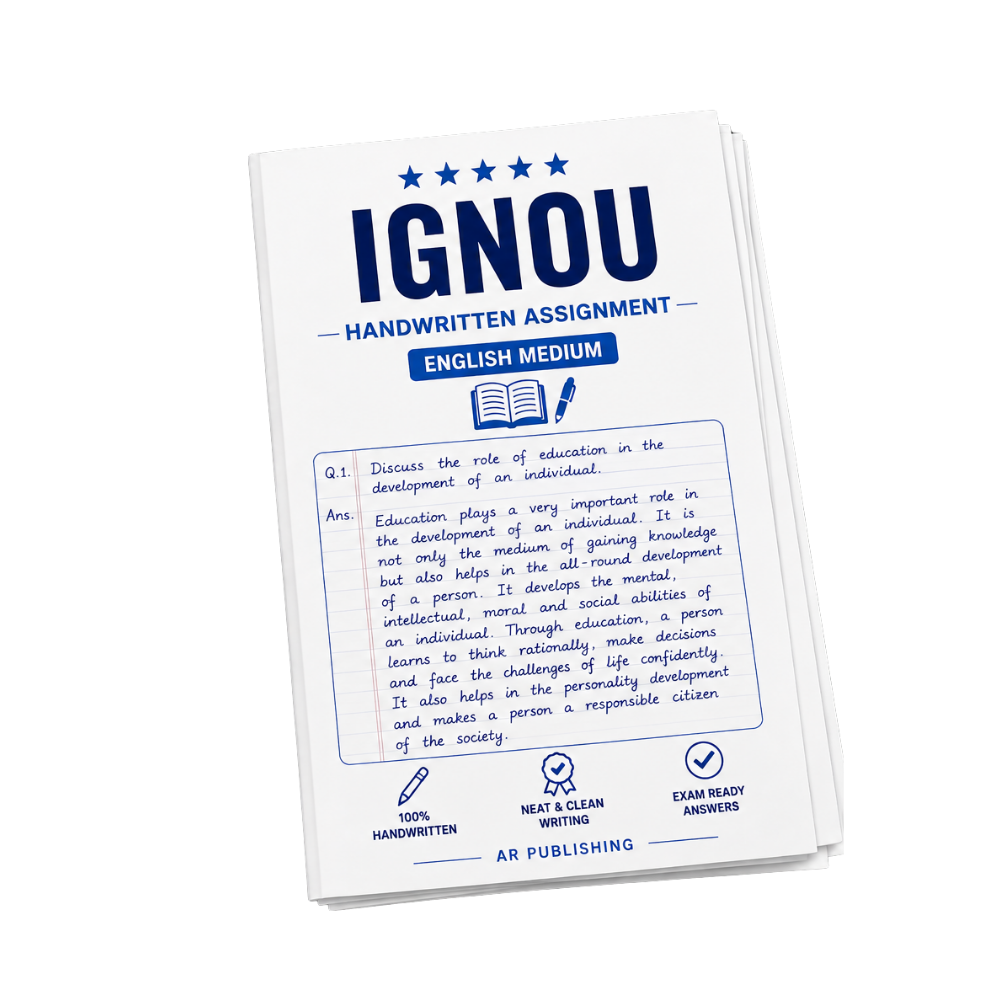
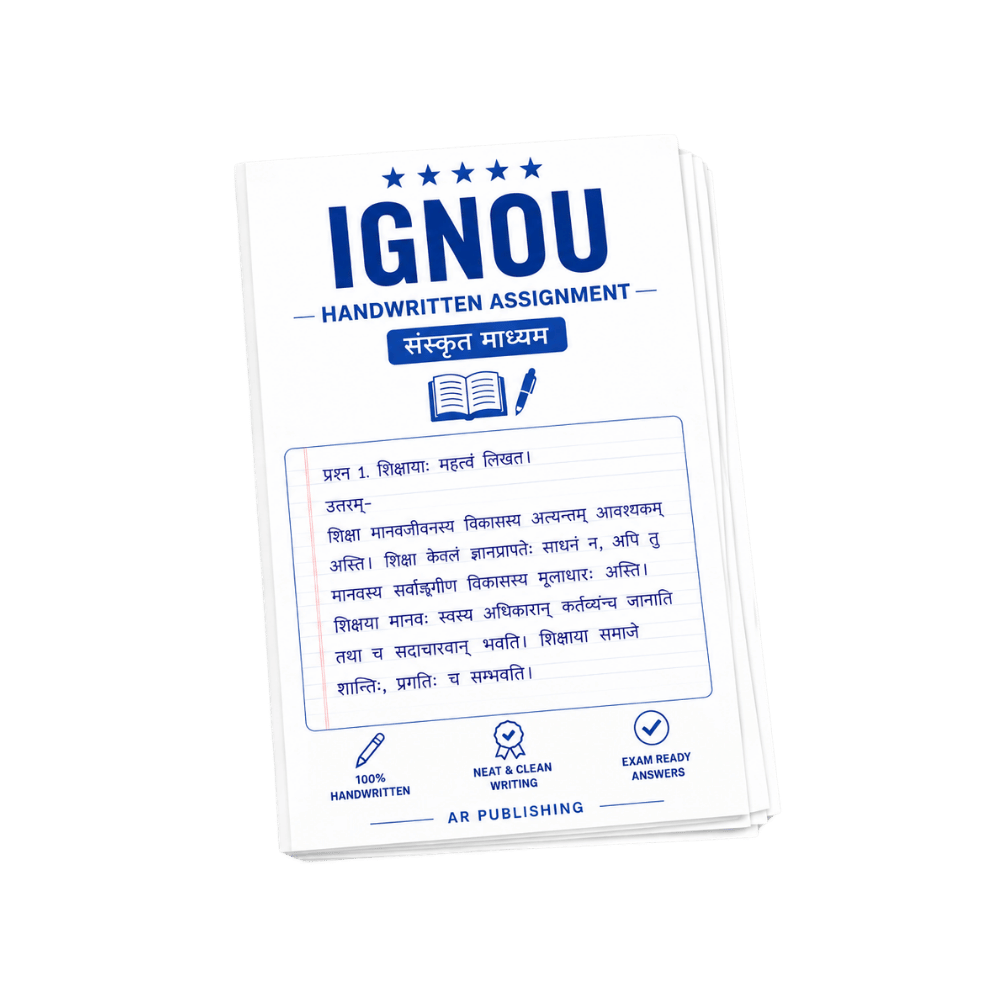
RPS-103 IGNOU Handwritten Assignment 2026-27
Enrolled in other IGNOU subjects?
Link your Enrollment No. to auto-map your semester courses & free question papers.
Frequently Bought Together
Popular course materials frequently ordered together
Syllabus & Overview
Course Scope and Academic Rigour of RPS-103: Course Code RPS-103
RPS-103: Course Code RPS-103 is a core component of IGNOU’s Bachelor’s Programme in Regional Planning Studies, designed to equip students with foundational knowledge in spatial analysis and urban governance. This course explores theoretical frameworks of regional planning, integrating policy-making, demographic studies, and sustainable development principles. Through structured assignments, students develop critical thinking skills to address real-world challenges in resource allocation, infrastructure planning, and community participation—key competencies for effective regional development.Key Syllabus Units and Academic Focus
- Introduction to Regional Planning: Covers historical evolution of regional planning theories, conceptual models, and their application in contemporary governance frameworks. Emphasises the role of planning in economic and social equity.
- Demographic and Socio-Economic Analysis: Examines population dynamics, spatial distribution, and socio-economic indicators using statistical tools. Focuses on demographic transition models and their impact on planning interventions.
- Urban and Regional Infrastructure Planning: Analyzes transportation networks, housing policies, and utility systems with a focus on sustainable urban design. Discusses case studies of integrated infrastructure projects.
- Environmental and Ecological Planning: Integrates principles of environmental conservation with regional planning, addressing climate resilience, land-use zoning, and biodiversity protection strategies.
- Policy Formulation and Implementation: Explores legal frameworks, participatory planning methodologies, and monitoring mechanisms for policy effectiveness. Highlights challenges in cross-sectoral coordination.
Frequently Asked Questions
Q: What is the marking scheme for the RPS-103 assignment, and how many marks are allocated to each unit?
A: The RPS-103 assignment carries 30 marks, distributed proportionally across the five units (typically 6 marks per unit). Clarity, depth of analysis, and adherence to academic standards determine scoring.
Q: Are there specific pass marks for RPS-103, and how does it contribute to the overall course grade?
A: The minimum pass mark for RPS-103 is 40% (12 marks out of 30). Assignments contribute 30% to the final grade, while the theory examination accounts for the remaining 70%. Consistent performance in both components is essential for overall success.
Why buy from us?
-
Verified by top professors and 99th percentile students.
-
Always updated to the latest university curriculum.
-
High-quality, printable PDF formats with clear diagrams.
License & Terms
By purchasing this item, you agree to our standard academic license terms. You may use this product for personal study, but you may not resell or redistribute the files online.